When Michelle, a 42-year-old marketing executive, reviewed her grocery app one morning, she was stunned. Her weekly bill had dropped to $87—down from more than $200 just a year earlier. The impulse buys that once filled her cart—chips, wine, late-night snacks—were gone. In their place were fruits, yogurt, and lean proteins.
That sense of financial relief, however, was short-lived. The same day, a $900 charge for her GLP-1 prescription appeared on her credit card statement. The contrast underscored a new reality for many users of these medications: savings in daily habits often come paired with a significant new monthly expense.
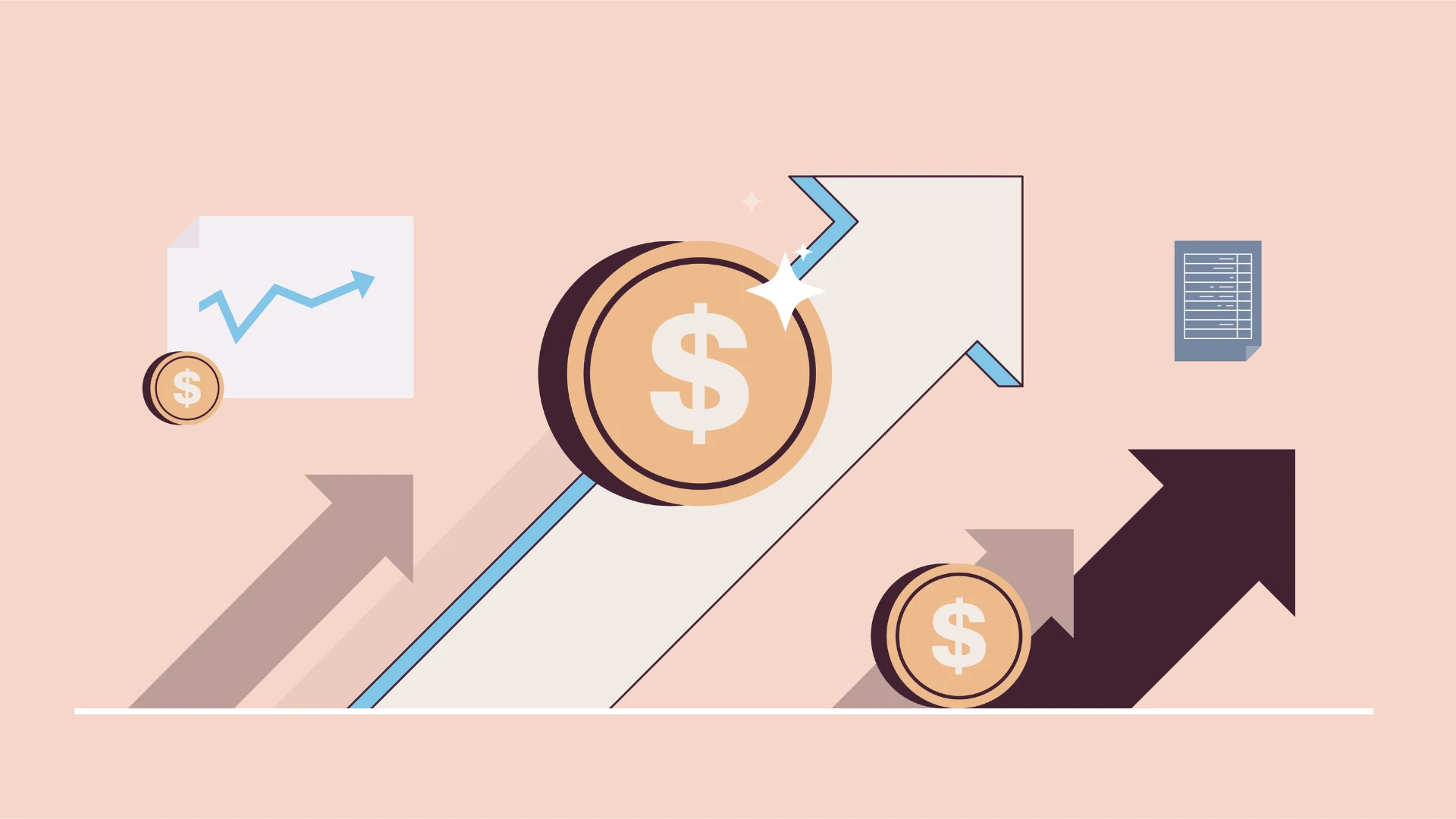
GLP-1 drugs such as Ozempic, Wegovy, Mounjaro, and Zepbound have become powerful tools for weight management. But their influence extends well beyond physical health. They are quietly transforming household budgets, consumer behavior, and long-term financial planning—forcing individuals and institutions alike to adapt.
The Cost of Change
For many patients, GLP-1 medications come with out-of-pocket costs ranging from $500 to $1,300 per month. In practical terms, that can rival a car payment—or even a mortgage in some regions. Users often reorganize their finances to accommodate the expense, treating the medication as a fixed, non-negotiable cost similar to utilities or insurance.
At the same time, lifestyle changes associated with weight loss frequently lead to reduced spending elsewhere. Dining out declines, alcohol purchases drop, and grocery bills shrink. For some, these shifts help offset the price of treatment, making the overall financial impact more manageable than expected.
Where Spending Shifts
Weight loss doesn’t just change bodies—it alters priorities. Clothing budgets fluctuate as people move through sizes more quickly than anticipated. Fitness memberships and boutique workout classes begin to feel like worthwhile investments rather than indulgences. Confidence often fuels new ambitions, including travel or experiences that once felt out of reach.
Yet these benefits are unevenly distributed. Higher-income households may absorb both the cost of medication and lifestyle upgrades with relative ease. For families living paycheck to paycheck, however, GLP-1 therapies can remain financially inaccessible, reinforcing existing disparities in health outcomes.
The Emotional Side of Money and Health
Improved health often brings renewed confidence and optimism, encouraging people to invest in savings, retirement accounts, or long-deferred goals. But that optimism can coexist with anxiety—particularly around insurance coverage or the possibility of losing access to treatment.
This tension sometimes drives additional spending on nutrition programs, supplements, or health coaching, as individuals seek reassurance that their progress will last. While some celebrate newfound freedom and opportunity, others feel pressure to spend more in an effort to protect their results.
These emotional dynamics highlight the growing need for financial education. As health transformations accelerate, so must guidance on how to manage money sustainably alongside them.
Health Equity Meets Financial Equity
The rise of GLP-1 medications has exposed a difficult truth: access to better health is often tied to financial means. Those who can afford these therapies may gain years of improved quality of life, while those who cannot are left behind. This widening gap raises pressing questions about fairness and access in healthcare.
Financial institutions could play a meaningful role in easing this burden. While banks and credit unions cannot lower drug prices, they can offer tools to help people manage costs—such as budgeting features, low-interest health loans, transparent payment plans, and alerts for rebates or assistance programs. These measures could provide flexibility for individuals striving to prioritize their health.
Ripple Effects Across the Economy
The influence of GLP-1 medications is already visible across industries. Grocery retailers are adjusting to shifts toward healthier purchasing patterns. Fashion brands are expanding sizing options and resale platforms are thriving as consumers cycle through wardrobes. Wellness clinics and medical spas report surging demand, reflecting a broader cultural shift toward health-focused spending.
The question now is whether financial systems will evolve alongside these changes. Collaboration between healthcare and financial sectors could help ensure that the benefits of medical innovation are more evenly distributed.
GLP-1 therapies are redefining both physical health and personal finances—creating empowerment for some and instability for others. If these medications represent a new chapter in healthcare, then expanding financial literacy and inclusion must be the parallel transformation.
As Edwin Endlich, president of the National Association for Financial Literacy and Inclusion, and Ana Reisdorf, MS, RD, founder of GLP-1 Hub, have emphasized, navigating the intersection of health and money will require coordinated efforts. In a world where medicine is reshaping everyday life, financial resilience may be just as critical as physical well-being.

Team Health Accessible
Health & Wellness Editorial Team
HealthAccessible editorial team delivers trusted, accessible, and evidence-based health information for everyone.


