
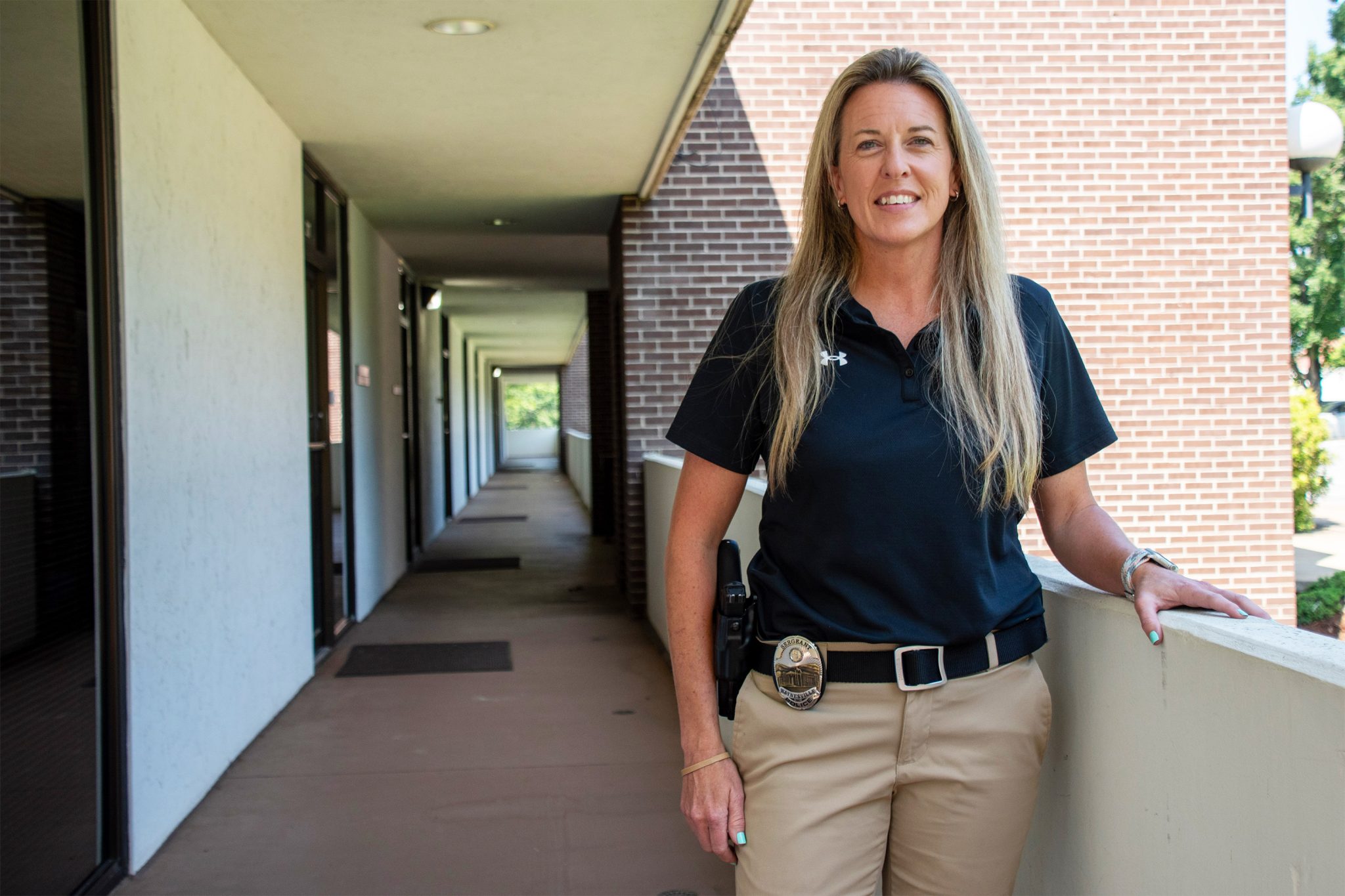
In Asheville, North Carolina, a growing number of first responders are turning to ketamine-assisted psychotherapy as a new approach to addressing depression, trauma, and post-traumatic stress. Among them is Waynesville Police Sgt. Paige Shell, who began ketamine therapy earlier this year after nearly two decades in law enforcement took a heavy emotional toll.
Shell, who works in a town roughly 30 miles from Asheville, struggled with chronic sleep problems, depression, and suicidal thoughts after years of exposure to traumatic events on the job. Traditional talk therapy offered limited relief, and when her counselor suggested ketamine-assisted psychotherapy, she was initially skeptical.
“I didn’t know what to expect,” Shell said. “I’m a cop. Trust doesn’t come easily.”
Ketamine, approved by the FDA in 1970 as an anesthetic, has gained attention in recent years for its potential to rapidly reduce symptoms of severe depression. Its use in mental health treatment—particularly for people with high trauma exposure such as police officers, firefighters, and military veterans—is expanding, though it remains relatively new and loosely regulated.
Dr. Signi Goldman, a psychiatrist and co-owner of Concierge Medicine and Psychiatry in Asheville, has incorporated ketamine into psychotherapy since 2017. She says first responders often face extraordinary levels of trauma with limited treatment options. Research suggests law enforcement officers may experience nearly 190 traumatic events during their careers, compared with just a few for the average adult. Data from the first-responder advocacy group First H.E.L.P. also show that in recent years, more officers have died by suicide than in the line of duty.
Ketamine works as a dissociative drug, temporarily altering perception and emotional processing. Studies dating back to the 1990s indicate that low doses can rapidly alleviate depressive symptoms. However, experts caution that more research is still needed, particularly regarding its effectiveness in treating PTSD.
Dr. John Krystal, chair of psychiatry at Yale School of Medicine, has noted that while ketamine’s antidepressant effects are well supported by evidence, its role in PTSD treatment requires further study.
Despite these uncertainties, the ketamine therapy industry has expanded quickly. More than 1,000 ketamine clinics now operate across the United States, some offering at-home treatments. This rapid growth has raised concerns among regulators, with the FDA warning about unapproved uses and potential risks when ketamine is taken without medical supervision. Side effects can range from nausea and elevated blood pressure to psychological distress.
“People are in a very vulnerable mental state during these sessions,” Goldman said, stressing the importance of clinical oversight and structured therapy.
Rick Baker, CEO of Responder Support Services, sees ketamine-assisted psychotherapy as a promising option for first responders who are often reluctant to seek traditional mental health care. His organization provides counseling services to emergency workers across North Carolina, South Carolina, and Tennessee.
“Ketamine can help people access traumatic memories more directly,” Baker said. “It acts like an accelerant for therapy and lowers the defenses many first responders carry.”
In a typical session, patients receive a dose of ketamine based on body weight, producing a mild altered state of consciousness. Sessions usually last about two hours, with the drug’s effects peaking for roughly 45 minutes. The cost, however, can be prohibitive—often exceeding $1,000 per session—and most insurance plans do not cover the treatment. While the Department of Veterans Affairs may reimburse some veterans, coverage is limited and evaluated individually.
Shell was able to begin treatment after a donation from Responder Support Services helped offset the cost. She said the decision to proceed was influenced by Hurricane Helene, which caused devastating flooding in western North Carolina and resurfaced unresolved trauma from her career.
Some sessions were emotionally difficult, she said, bringing long-buried memories to the surface. Under ketamine, those memories appeared vividly, often leaving her overwhelmed with emotion.
By early October, Shell had completed twelve sessions. While she described the progress as gradual rather than dramatic, she noticed meaningful improvements. Her sleep has improved, stress feels more manageable, and she says she smiles more often.
Despite these changes, Shell initially hesitated to discuss her treatment with colleagues, fearing stigma within law enforcement. “I didn’t want anyone to think I couldn’t handle the job,” she said.
Sherri Martin, national director of wellness services for the Fraternal Order of Police, said such concerns are common. She noted that some officers associate ketamine with illegal drug use or counterculture settings, which can create resistance to viewing it as a legitimate medical treatment.
Eventually, Shell chose to share her experience with coworkers and was met largely with support. She now advocates for greater openness around mental health care within her department, believing that addressing her own well-being has made her a better officer.
“It’s hard to take care of other people when you’re not taking care of yourself,” she said—an observation that reflects the broader conversation unfolding among first responders seeking new paths to healing.

Team Health Accessible
Health & Wellness Editorial Team
HealthAccessible editorial team delivers trusted, accessible, and evidence-based health information for everyone.