
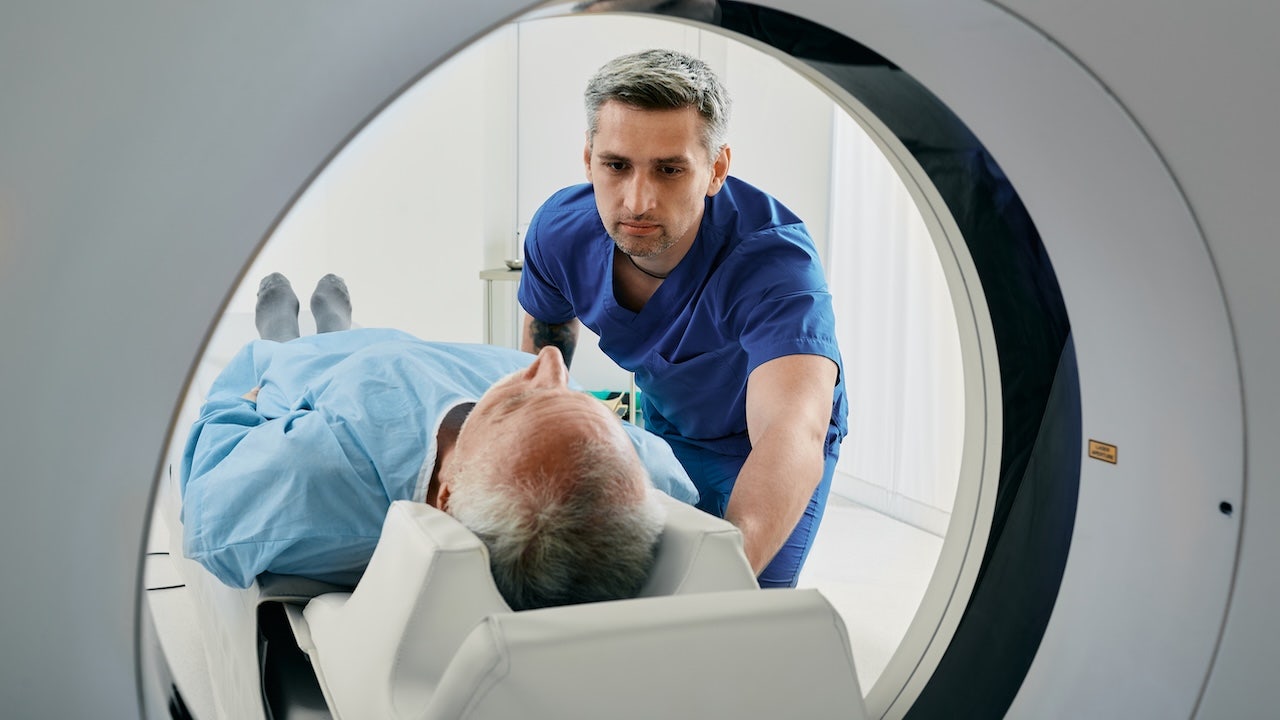
Medications in the GLP-1 agonist class—including Ozempic, Wegovy, Mounjaro, and Zepbound—are widely prescribed for diabetes management and weight loss. New findings now suggest these drugs may have an unexpected effect: altering results from some medical imaging scans, particularly PET and CT scans.
CT scans are commonly used to generate detailed images of internal structures to identify injuries, tumors, or abnormalities. PET scans, by contrast, focus on how organs and tissues function and are frequently used in cancer diagnosis, staging, and treatment monitoring.
The potential link between GLP-1 medications and imaging changes was discussed during a case review presented at the 38th Annual Congress of the European Association of Nuclear Medicine in Barcelona. Researchers examined scan results from cancer patients who were taking GLP-1 therapies and noticed imaging patterns that could potentially be mistaken for signs of disease progression.
Dr. Peter Strouhal, lead author of the review and medical director at Alliance Medical Ltd. in the United Kingdom, said the findings emerged after an unusual scan prompted further investigation. As his team reviewed additional cases across multiple imaging centers, they observed similar patterns appearing with increasing frequency. He noted that there is currently no formal national or international guidance in the U.K. addressing how GLP-1 medications might affect imaging interpretation.
Incorrectly reading these scans could result in unnecessary follow-up tests, misdiagnosis, or delays in cancer treatment—outcomes that can cause significant anxiety for patients. Dr. Strouhal emphasized that awareness is key, explaining that understanding how GLP-1 therapies influence scan results can help clinicians interpret images accurately and avoid avoidable procedures.
Despite the findings, researchers are not advising patients to stop taking GLP-1 medications before undergoing imaging studies. Instead, they stress the importance of imaging teams being fully informed about a patient’s medication history when reviewing scan results.
The research group plans to collect additional data from imaging centers worldwide to better understand the scope and consistency of these effects.
Dr. Sue Decotiis, a medical weight loss specialist in New York City, cautioned that the findings remain preliminary. She noted that the initial report did not specify which organs or tissues showed altered uptake, making it difficult to assess the clinical significance. According to Decotiis, larger studies involving more patients will be needed before firm conclusions can be drawn.
Adam Wolfberg, M.D., chief medical officer at Virta Health in Massachusetts, explained a possible mechanism behind the observations. GLP-1 medications affect glucose metabolism, and PET scans rely on glucose-based tracer agents. Changes in how the body processes glucose could therefore influence how these tracers are absorbed and displayed on scans.
Even so, Dr. Wolfberg said the findings are unlikely to pose a major clinical issue. He pointed out that PET scans are always interpreted in context, taking into account a patient’s medical history, current medications, and overall clinical picture. Experienced radiologists and oncologists routinely factor in these variables when evaluating imaging results.
Both experts agreed that more comprehensive research is needed before any changes to imaging protocols or prescribing practices are considered. Media outlets have contacted researchers and GLP-1 drug manufacturers for additional comment as investigation into the issue continues.
As use of GLP-1 medications expands, improved awareness and clearer guidance will help ensure imaging results are interpreted accurately—supporting timely diagnoses and appropriate care for patients.

Team Health Accessible
Health & Wellness Editorial Team
HealthAccessible editorial team delivers trusted, accessible, and evidence-based health information for everyone.


