
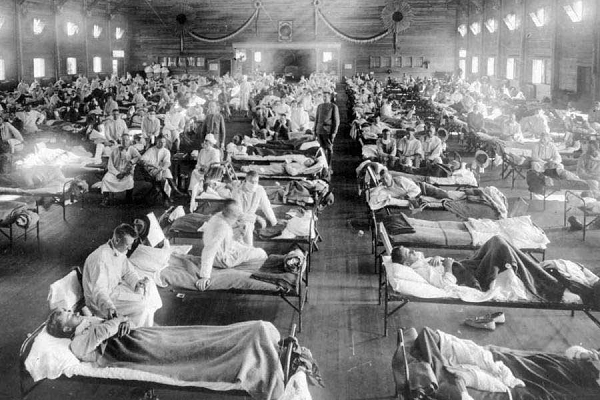
During the eleventh episode of the Absolute Healing series hosted by Jonathan Otto, a panel of speakers presented viewpoints that challenged commonly accepted interpretations of the 1918 influenza pandemic. The discussion encouraged audiences to reconsider how this historic health crisis has been portrayed and to examine alternative explanations rooted in historical context.
One of the featured speakers, Dr. Lee Merritt, drew attention to early outbreak reports, including cases documented at Fort Riley, Kansas. She argued that prevailing accounts of the pandemic may not fully align with available historical records. According to Merritt, reassessing these sources is necessary to better understand how conclusions about the pandemic were formed.
While acknowledging that the outbreak resulted in widespread mortality, Merritt questioned whether all deaths attributed to influenza were accurately classified. She suggested that secondary bacterial infections, compounded by wartime conditions, likely played a significant role in the death toll, particularly among military personnel.
The panel also examined how World War I influenced the spread of illness. Large-scale troop movements, crowded living quarters, and inadequate sanitation were cited as contributing factors that accelerated transmission. Some participants noted that medical practices of the era, including experimental treatments, may have further affected outcomes.
A notable portion of the discussion focused on early vaccine efforts. Merritt and other speakers proposed that vaccine experimentation during the period warranted closer examination, emphasizing the need to understand both intended benefits and unintended consequences associated with early immunization programs.
Connections were drawn between the 1918 pandemic and modern public health challenges, including COVID-19. Otto emphasized that historical experiences should inform present-day decision-making, particularly in areas such as transparency, communication, and public trust.
Dr. Richard Bartlett, a physician based in Texas, highlighted the importance of timely treatment strategies. He stressed that focusing on effective care approaches could reduce the severity of respiratory illnesses and lessen public fear.
The role of media coverage was also critically discussed. Several speakers argued that sensational reporting may have amplified fear during past pandemics, potentially overshadowing scientific debate and alternative perspectives. Merritt noted that media narratives can significantly shape public understanding and policy responses.
The conversation further explored the long-term impact of public health measures implemented during the 1918 outbreak. Participants questioned whether some policies achieved their intended goals and how their legacy continues to influence health strategies today.
By the conclusion of the session, attendees were left with a broader set of considerations regarding both historical and contemporary health crises. The speakers emphasized the importance of critical evaluation, open discussion, and the inclusion of diverse viewpoints when examining public health narratives.
As interest in the Absolute Healing series grows, the episode underscored a shared commitment to ongoing inquiry. Otto encouraged audiences to remain engaged, informed, and thoughtful as they navigate complex health topics.
Ultimately, the discussion aimed to promote informed dialogue rather than definitive conclusions. By revisiting historical events through multiple lenses, the presenters advocated for a more nuanced understanding of health crises—past and present—and the decisions that shape public health outcomes.

Team Health Accessible
Health & Wellness Editorial Team
HealthAccessible editorial team delivers trusted, accessible, and evidence-based health information for everyone.