
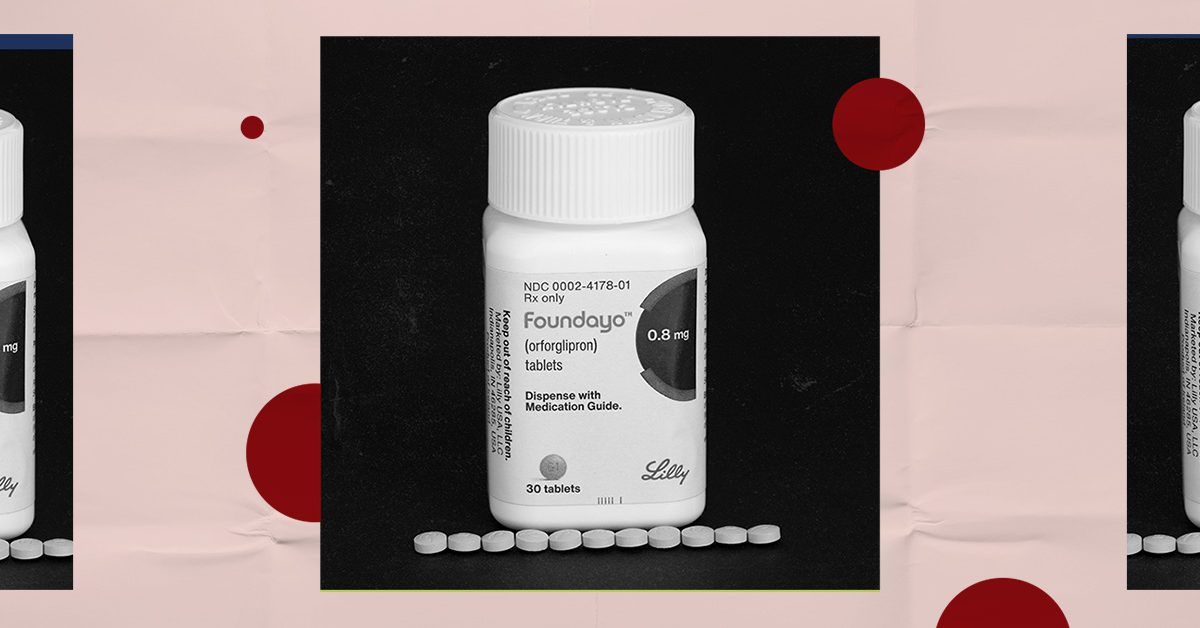
- In a clinical trial, adults who switched from high-dose injectable obesity drugs to oral GLP-1 pill Foundayo were able to maintain most of their previous weight loss over 1 year, with relatively limited weight regain.
- In another trial, patients who reduced their Zepbound dose to a lower 5 mg maintenance dose also preserved much of their earlier weight reduction compared with those who stopped treatment entirely.
- Both trials suggest maintenance strategies, such as lower-dose injections or oral therapies, could offer patients more flexible, potentially more convenient options for sustaining weight loss after intensive treatment.
However,
Long-term weight maintenance represents one of the biggest challenges in obesity treatment. Many people may require ongoing treatment to maintain results. Instead of stopping medication suddenly, some people may transition gradually to lower doses. Alternatively, others may consider switching to oral formulations to improve adherence and maintain weight loss.
Now, two new late-phase clinical trials, sponsored by Eli Lilly and Company, suggest that transitioning from high dose injectable weight loss medications to either a daily pill or a lower maintenance dose can help people living with obesity to keep off most of the weight they have already lost
The results of the ATTAIN-MAINTAIN and SURMOUNT-MAINTAIN trials were presented at the European Congress on Obesity and published in
Previous research suggests that 1 year after stopping weight loss medication, people may regain, on average, 60% of their lost weight. This raises questions as to whether obesity medications may need to be used long term.
The trials explored possible maintenance strategies of either switching from injections to an oral pill or reducing the dosage of injectable medication to help preserve earlier weight reduction.
One placebo-controlled trial, called ATTAIN-MAINTAIN, followed adults who had previously completed the SURMOUNT-5 obesity trial, a randomized controlled study evaluating whether tirzepatide, the active ingredient in Zepbound, led to greater body weight reduction versus semaglutide in adults with obesity.
The trial involved participants who had previously reached a body weight plateau. Individuals either switched from high dose Wegovy or high dose Zepbound to daily oral Foundayo or a placebo.
Participants who had been taking high dose Wegovy and switched to daily oral Foundayo regained an average of 0.9 kilograms (kg), or about 2 pounds (lbs) over 1 year. Those who transitioned from high dose Zepbound to Foundayo regained about 5 kg (11 lbs) on average over the same period.
The researchers note that people previously treated with tirzepatide generally lost more total weight initially, which may partly explain the larger rebound.
“These findings are not surprising,” Mir Ali, MD, a bariatric surgeon, bariatric medicine specialist and medical director of MemorialCare Surgical Weight Loss Center at Orange Coast Medical Center in Fountain Valley, CA, told Medical News Today.
“We’ve already seen similar patterns with other GLP-1 medications, including oral semaglutide. One consistent theme across studies is that when patients stop these medications, weight regain is common. So it follows that continuing treatment helps preserve weight loss over time.”
— Mir Ali, MD
In the other placebo-controlled trial, SURMOUNT-MAINTAIN, the researchers investigated the efficacy and safety of maximum tolerated dose (MTD) tirzepatide and a lower 5 milligram (mg) dose for maintaining body weight reduction in adults with obesity.
After an initial 60 weeks on Zepbound at the MTD, participants either continued on the MTD, reduced the dose to 5 mg, or received a placebo.
Participants continuing treatment with Zepbound MTD preserved all of their prior weight loss over the 1-year period, while those on the dose reduction maintained all but 5.6 kg on average.
“These results align closely with what many clinicians are already seeing in practice,” Ali said. “Patients can often maintain their weight loss with a lower dose after initial success, which can help balance effectiveness with tolerability.”
According to Lilly, both trials met their primary and all key secondary endpoints. The pharmaceutical company highlights that both primary endpoints were to demonstrate that oral Foundayo or Zepbound continuation at either the reduced dose or MTD was superior to placebo in maintaining body weight reduction.
The findings add to growing evidence that obesity behaves like a chronic disease rather than a short-term condition that can be permanently reversed after temporary treatment.
Adherence to glucagon-like peptide-1 receptor agonists (GLP-1 RAs) is important for their effectiveness. However, roughly half of the people using these drugs discontinue them within 1 year. Research indicates that stopping or interrupting obesity treatments, particularly weight-loss medications like GLP-1 drugs, frequently results in a rapid regain of lost weight.
The trial findings suggest that individuals may have greater flexibility in how they continue treatment after achieving substantial weight loss. Switching to an oral pill may appeal to those who dislike injections or want a simpler dosing routine, while a lower injectable dose may offer a cheaper option that may also result in less adverse events.
“This supports the idea that obesity should be treated as a chronic condition,” Ali explained to MNT. “Just like high blood pressure or diabetes, it often requires ongoing management. For many patients, transitioning to a maintenance dose after achieving weight loss may be a practical and sustainable long-term strategy.”
Weight loss surgery vs. GLP-1 drugs
“Bariatric surgery remains the most effective option for long-term weight loss in appropriately selected patients. However, for those who choose medication-based treatment, it’s important to understand that these therapies are not short-term fixes—they typically require ongoing use to sustain results.”
— Mir Ali, MD
Although the results appear promising, the studies primarily evaluated people who had already responded well to treatment and tolerated the medications.
For example, participants in the trials reported side effects that were generally consistent with previous studies, such as gastrointestinal symptoms, which are one of the main reasons that can lead to discontinuation of the drugs.
Additionally, longer-term data will also be necessary to determine how durable maintenance effects remain over multiple years. It will also be important to establish whether lower doses continue to protect against weight regain, and which patients benefit most from switching to oral therapies.
“Data like this could play an important role in shifting how obesity treatment is viewed—both clinically and by insurers,” Ali noted to MNT. “If long-term therapy is shown to be necessary to maintain health benefits, it may strengthen the case for broader insurance coverage and more consistent access to these medications.”
“Overall, these studies reinforce the growing recognition of obesity as a long-term medical condition. Continued research showing the benefits of maintenance therapy may help reduce barriers to care, particularly when it comes to insurance coverage and long-term treatment planning.”
— Mir Ali, MD

Team Health Accessible
Health & Wellness Editorial Team
HealthAccessible editorial team delivers trusted, accessible, and evidence-based health information for everyone.