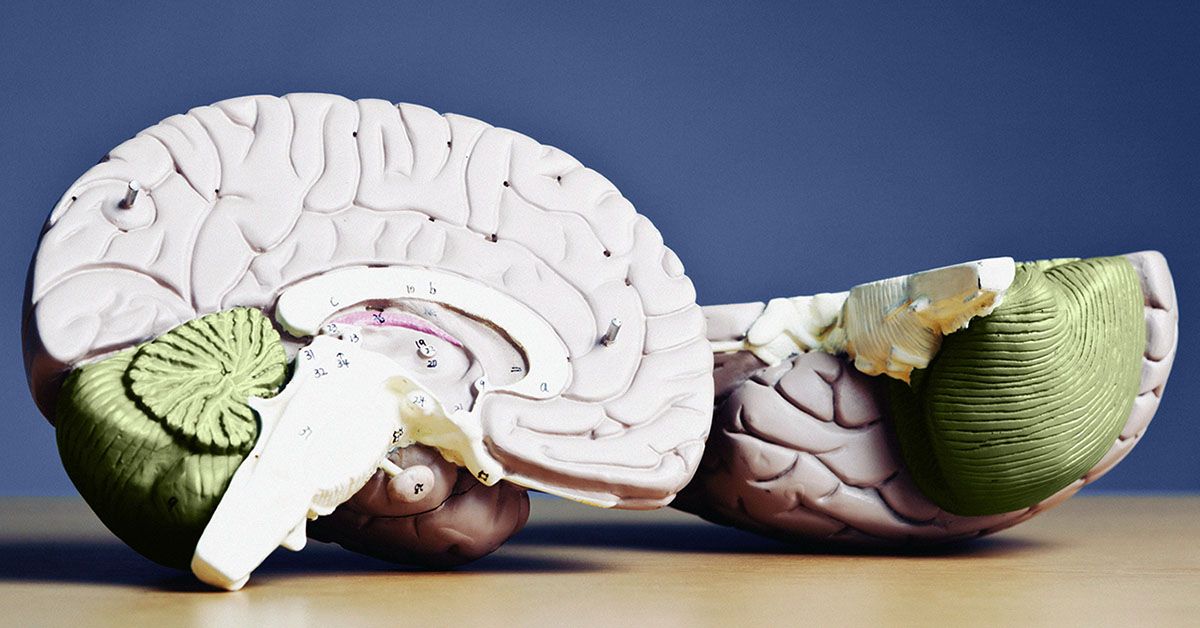
- A person’s brain health is affected by their physical and psychological health, experiences from infancy throughout their lifetime, and some environmental factors.
- Healthy lifestyle habits, such as eating a healthy diet, not smoking, not drinking to excess, getting adequate exercise and sleep, and avoiding stress, can all help improve brain health.
- In a statement published last week, the American Heart Association outlined how promoting healthy lifestyle behaviors, improving environmental conditions, and expanding access to health, social, and mental health care can protect brain health and reduce the risk of stroke and dementia.
Worldwide, the number of people ages 65 and over is expected to exceed 1.5 billion by 2050. And the goal is to remain healthy for as many of those years past 65 as possible. With cases of dementia rising, a key part of healthy aging is maintaining cognitive function and a healthy brain.
Last week, the American Heart Association (AHA) published a
The statement, which focuses on physical and psychological variables throughout life, highlights strategies that can help a person maintain brain resilience into older age.
“The main takeaway is that brain health is not determined only by age or genetics. It is shaped across the entire lifespan by a combination of physical health, mental health, sleep, lifestyle, social support, environment, and access to care. The American Heart Association statement is important because it reframes brain health as something we can influence much earlier and more broadly than we used to think.”
— Dung Trinh, MD, internist, of MemorialCare Medical Group and Chief Medical Officer of Healthy Brain Clinic in Irvine, CA

Team Health Accessible
Health & Wellness Editorial Team
HealthAccessible editorial team delivers trusted, accessible, and evidence-based health information for everyone.