
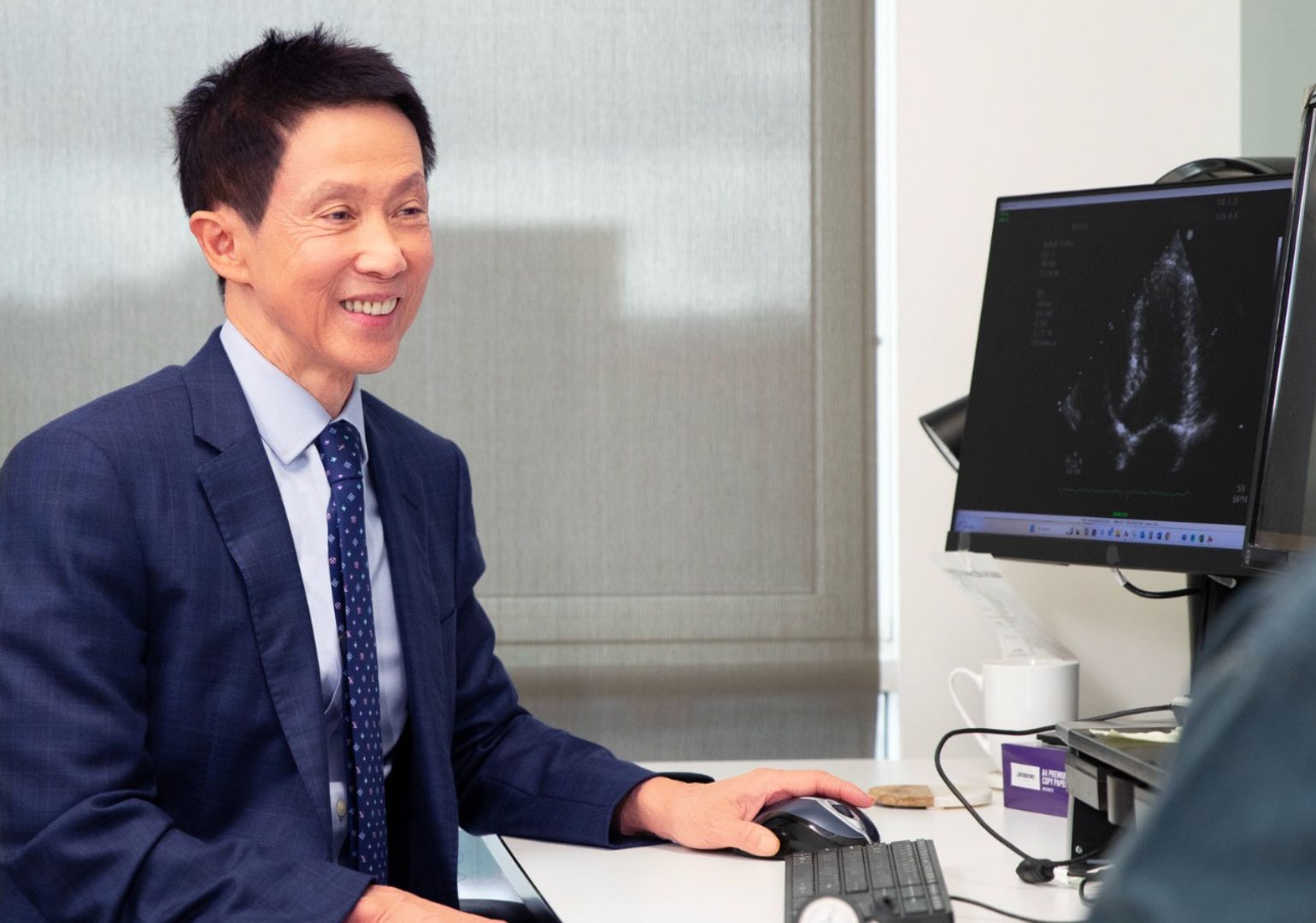
Dr. Hosen Kiat is a distinguished Australian cardiologist and medical researcher whose work has had a lasting global impact on nuclear cardiology, cardiovascular imaging, and integrative medicine. Over the course of his career, he has helped bridge advanced cardiac technology with broader physiological and preventive approaches to heart health, expanding how cardiovascular disease is understood and treated.
Born in Jakarta, Dr. Kiat’s academic promise earned him a scholarship to pursue higher education in Australia. He completed his medical degree (MBBS) before obtaining a Doctor of Medical Science (DMedSc) from the University of New South Wales. His early training laid the foundation for a career defined by scientific rigor and innovation.
Following his medical education, Dr. Kiat completed specialist training in cardiology in Australia and later continued advanced studies in nuclear cardiology at Cedars-Sinai Medical Center in Los Angeles. During his time in the United States, he developed a strong interest in combining emerging medical technologies with clinical cardiology. He was subsequently appointed Director of Cardiac Imaging Research at Cedars-Sinai, a role that placed him at the forefront of imaging-driven cardiovascular diagnostics.
Dr. Kiat is internationally recognized for his contributions to nuclear cardiology, cardiovascular imaging, and preventive medicine. He ranks among the top one percent of researchers worldwide in clinical medicine, with more than 200 peer-reviewed publications and over 16,000 citations in scientific literature.
Among his most influential achievements is his role as co-inventor of Quantitative Gated SPECT (QGS) and Quantitative Perfusion SPECT (QPS), advanced cardiac imaging software systems that allow clinicians to precisely assess myocardial blood flow and heart function. These technologies have significantly improved diagnostic accuracy and helped elevate standards of cardiovascular care across the globe.
His research has been instrumental in integrating advanced imaging techniques into everyday clinical practice, offering new insights into the development and progression of heart disease. Dr. Kiat’s work emphasizes understanding cardiovascular conditions not only through anatomy, but also through interconnected physiological systems.
In Australia, Dr. Kiat has played a key role in shaping modern cardiovascular education and research. As Foundation Professor of Cardiology at Macquarie University, he helped establish Macquarie University Hospital and its affiliated medical school. These initiatives introduced a new academic medicine model that integrates research, education, and patient care within a single clinical environment.
Dr. Kiat maintains academic appointments across several Australian institutions, including the Australian National University, Macquarie University, Torrens University Australia, Charles Sturt University, and Western Sydney University, reflecting his broad influence in medical education and research.
Beyond conventional cardiology, his research explores integrative and non-pharmaceutical approaches to cardiovascular resilience and longevity. His work has examined practices such as tai chi, herbal medicine, and nutritional interventions, alongside emerging areas like photobiomodulation—the use of light to stimulate cellular repair and mitochondrial function. These studies aim to reduce oxidative stress, improve cellular metabolism, and enhance overall cardiovascular health.
Dr. Kiat has also participated in international clinical trials investigating early detection of unstable arterial plaque, preventive imaging strategies, and therapies designed to support energy metabolism and cardiovascular recovery. His contributions have helped advance diagnostic methods and preventive frameworks for heart disease.
Throughout his career, Dr. Kiat has championed a holistic view of cardiovascular medicine—one that recognizes heart disease as a complex interaction of biological, environmental, and lifestyle factors rather than a purely mechanical condition. By integrating technology, physiology, and patient-centered care, his work continues to influence the future direction of cardiovascular science.
From pioneering imaging technologies to advancing interdisciplinary research, Dr. Hosen Kiat’s career exemplifies how innovative thinking can expand the boundaries of medicine, transforming the study of the heart into a platform for discovery, prevention, and long-term health advancement.

Team Health Accessible
Health & Wellness Editorial Team
HealthAccessible editorial team delivers trusted, accessible, and evidence-based health information for everyone.