
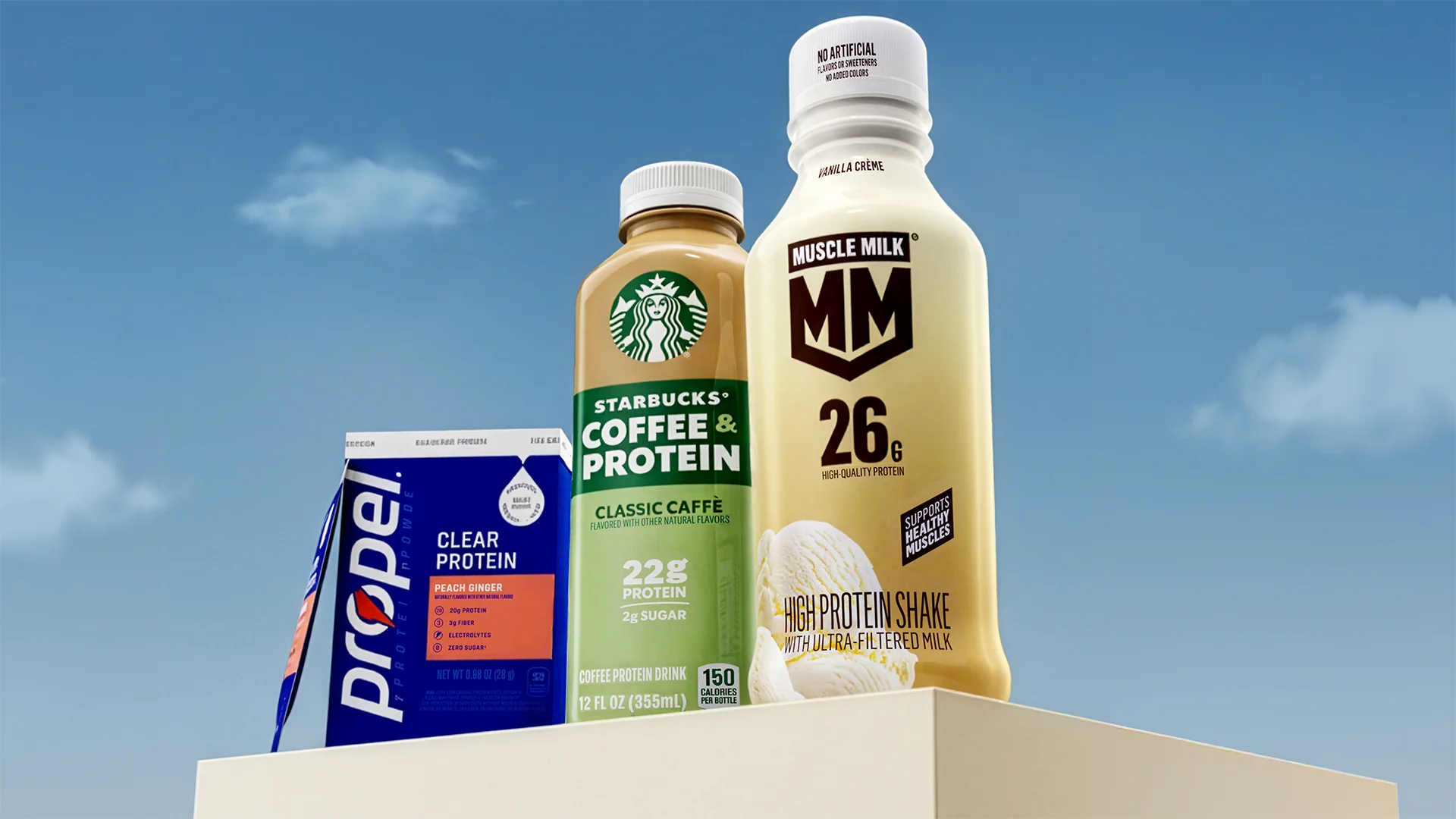
As Americans increasingly focus on protein intake, major food and beverage companies are adjusting their product strategies to keep pace. PepsiCo announced a new wave of protein-forward beverage launches on Thursday, signaling its intent to capture a larger share of the growing functional nutrition market.
The company revealed several additions to its beverage portfolio, including a protein-enhanced Starbucks ready-to-drink coffee, an updated version of its Muscle Milk shakes, and new Propel flavored waters infused with whey protein, fiber, and electrolytes.
Consumer interest in protein has climbed steadily in recent years. According to data from the International Food Information Council (IFIC), 71% of Americans reported trying to increase their protein intake in 2024, up from 67% the year before and 59% in 2022. Jaime Schwartz Cohen, a registered dietitian and executive vice president of nutrition at Ketchum, said the shift reflects changing dietary priorities. After years of focusing on low-fat and low-carbohydrate diets, she noted, protein has become the central nutrient of interest for many consumers.
Food manufacturers have responded by rapidly expanding protein-fortified offerings across grocery aisles. Recent examples include high-protein cereals from General Mills, protein-enriched pasta from Barilla, and even celebrity-backed ventures such as Khloé Kardashian’s protein popcorn brand.
PepsiCo’s CEO of U.S. beverages, Ram Krishnan, said the company aims to bring clarity to what he described as an increasingly crowded and confusing protein marketplace. Speaking with Fast Company, Krishnan explained that while interest in protein is widespread, many consumers lack a clear understanding of how much they need or how best to consume it.
Protein plays a critical role in health, particularly as populations age. Once consumed, protein is broken down into amino acids that help build and preserve muscle mass. It also supports weight management by promoting fullness and contributes to immune function and inflammation control.
General recommendations suggest adults aim for roughly 60 grams of protein per day, though intake varies widely. Schwartz Cohen noted that many people consume only 15 to 30 grams per meal, and research shows that nearly 80% of Americans are unsure about their individual protein needs. She emphasized the importance of clear, evidence-based guidance from brands and registered dietitians to address this confusion.
PepsiCo’s global chief science officer, Tara Glasgow, added that timing protein intake throughout the day may be just as important as total consumption. Research indicates that spreading intake evenly—such as consuming 30 grams of protein at each of three meals—can increase muscle-building benefits by up to 25% compared to consuming the same amount in a single meal.
With that research in mind, PepsiCo’s new products are designed to help consumers add protein at multiple points during the day. The new Starbucks protein coffee contains 22 grams of protein per bottle, reflecting the popularity of social media trends that combine coffee with protein powder.
The Propel Clear Protein beverage offers 20 grams of whey protein per serving and is positioned as a lighter, more refreshing option. Flavor combinations like watermelon mint and peach ginger are intended to appeal beyond traditional post-workout use.
Glasgow noted that product development was partially informed by the rise of GLP-1 weight-loss medications such as Ozempic and Wegovy. These drugs can lead to rapid weight loss and potential muscle loss, increasing the importance of adequate protein intake. Digestive side effects associated with these medications also highlight the value of fiber, while reduced calorie intake can increase the risk of dehydration.
While not exclusively targeted at GLP-1 users, Propel Clear Protein incorporates features that align with these emerging nutritional needs.
Muscle Milk, which generates an estimated $500 million in retail sales, has undergone one of the most significant transformations. Krishnan described a segment of consumers who want added protein but are dissatisfied with the taste or ingredient profiles of many existing shakes. The updated Muscle Milk now uses ultra-filtered milk for a smoother texture and contains between 26 and 42 grams of protein per bottle. Artificial flavors, sweeteners, and colors have been removed to align with cleaner-label preferences.
The push into functional beverages comes as traditional carbonated soft drink sales continue to decline. PepsiCo’s Beverages North America division has faced pressure for more than two years, with the company recently losing U.S. market share to competitors such as Dr Pepper and Sprite. Krishnan was brought in during early 2024 to help reverse that trend.
In response, PepsiCo has accelerated its shift toward health-oriented products. This includes its $1.65 billion acquisition of Poppi, a prebiotic soda brand, and the subsequent launch of a new prebiotic cola.
“We see beverages becoming increasingly functional,” Krishnan said. “Protein is an important part of that strategy, but it’s only one piece of a much larger transformation.”

Team Health Accessible
Health & Wellness Editorial Team
HealthAccessible editorial team delivers trusted, accessible, and evidence-based health information for everyone.