The brain is the “control center” of the body. Together with the spinal cord, it makes up the central nervous system. Various parts of the brain are responsible for movement, breathing, and other crucial processes that keep people alive.
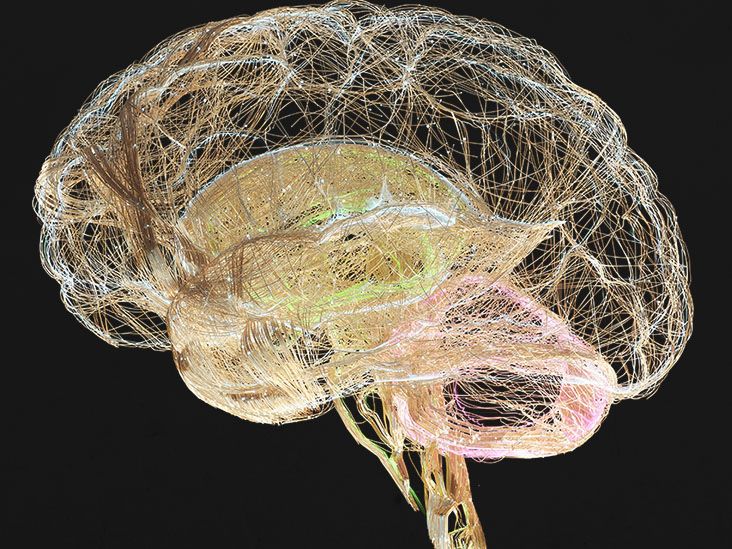
The brain is an organ made up of neural tissue and has three main parts: the cerebrum, cerebellum, and brain stem. Each of these has a unique function.
Keep reading to learn more about the different parts of the brain, the processes they control, and how they all work together. This article also looks at some ways of maintaining a healthy brain.
The brain is an organ that controls many bodily functions. It does this by sending chemical and electrical signals along nerves throughout the body, regulating functions ranging from movement to digestion.
The brain also processes sensory information coming from the nerves. For example, when sound vibrations reach the ears, this information travels to the brain. The brain then makes sense of what a person is hearing.
The brain is also involved in many aspects of psychological health and identity, including mood, personality, and dreams.
The brain is composed of
The cerebrum is the top part of the brain and includes the cerebral cortex. This part of the brain is responsible for many processes, including:
- initiating and controlling movement
- thinking
- emotion
- problem-solving
- learning
The cerebrum is also responsible for personality. If a person experiences trauma to the cerebrum, in particular the frontal lobe, their friends and family may notice changes in their demeanor, mood, and emotions.
Cerebral cortex
The cerebral cortex covers the cerebrum. It consists of gray matter, which is where the brain processes information. It also has ridges (gyri) and folds (sulci). The folds and ridges accommodated the
The cerebral cortex has
- Frontal lobe: The frontal lobe is responsible for language, executive function, motor function, personality, and other cognitive functions.
- Temporal lobe: The temporal lobe contains the Wernicke area, which is responsible for understanding language. It also processes memories and emotions and plays a major role in hearing and visual perception.
- Parietal lobe: The parietal lobe processes what a person sees and hears. It also interprets other sensory information.
- Occipital lobe: The occipital lobe interprets visual information and contains the visual cortex.
The right side of the cerebral cortex, or hemisphere, controls the left side of the body, and the left hemisphere controls the right side.
Each hemisphere communicates with the other through the corpus callosum, which is a bridge of white matter.
The cerebellum, or “little brain,” is tucked underneath the cerebrum at the back of the head. It regulates balance and learned movements, such as walking and fastening buttons, but cannot initiate movement.
Research suggests the cerebellum may also play a role in learning and decision making.
The cerebellum is an
The brainstem is made up of the midbrain, pons, and medulla. It connects the cerebrum to the spinal cord.
Midbrain
The midbrain is responsible for several important functions that include hearing, movement, eye movement, and tracking objects. It also helps formulate responses to environmental changes, which include potential threats.
Pons
The pons enables
Medulla
The medulla regulates biological functions that are essential for survival, such as heart rhythm, blood flow, and breathing. This part of the brain also detects changes in blood oxygen and carbon dioxide levels. Reflexive responses such as vomiting, swallowing, and coughing also originate from the medulla.
Brain damage can affect any of the functions that the brain controls. Examples of things that can damage the brain include traumatic brain injuries (TBIs) or stroke.
Some conditions can also cause brain death, which is when the brain loses all function permanently. This means a person cannot regain consciousness and can only breathe with artificial life support.
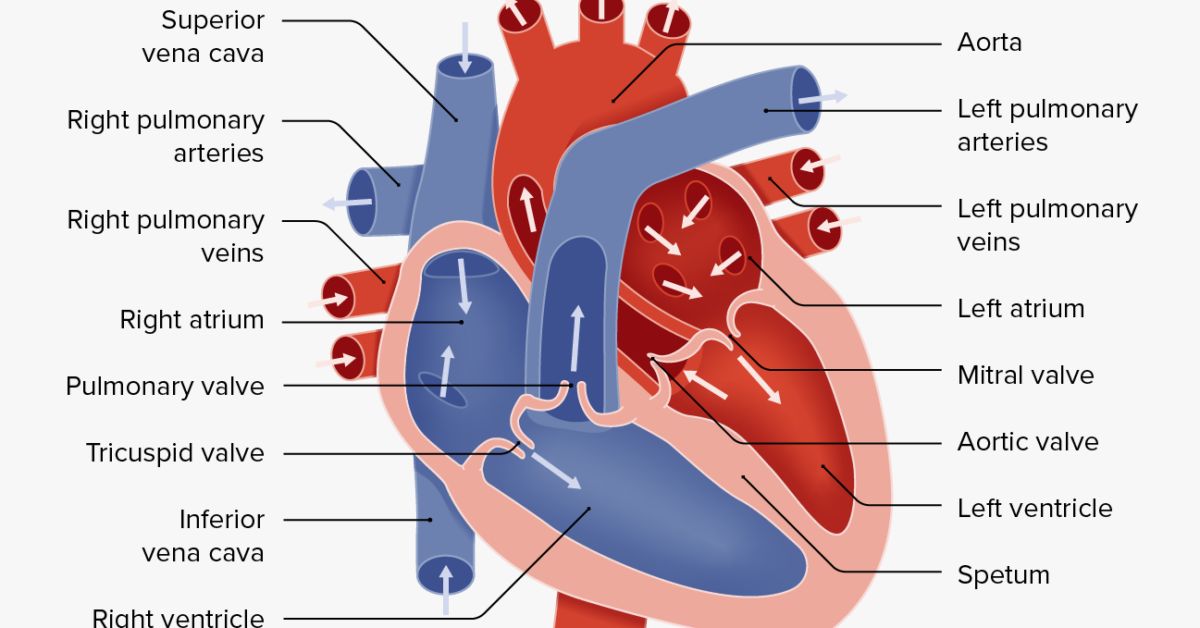
The heart has a
Doctors will carry out many tests before reaching a diagnosis of brain death. Brain death is a traumatic experience for everyone involved. It can be particularly difficult to come to terms with the diagnosis, especially if a person can see their loved one breathing and showing signs of life.
Brain health is important, especially as people get older. To promote and maintain brain health, the
- stopping smoking, if relevant
- reducing alcohol consumption
- eating a nutritious and balanced diet
- staying physically active
- getting enough sleep, which is typically 7 to 9 hours for adults
- engaging in stimulating activities, such as hobbies and social events
- seeking treatment for mental health conditions, such as depression
- managing chronic conditions, such as high blood pressure
- discussing medication side effects with a doctor, as some can affect brain function
- preventing head injuries
The brain is the most complex structure in the body. It is made up of three major areas: the cerebrum, cerebellum, and brain stem.
It controls critical biological processes that are crucial for survival, such as breathing and temperature regulation.
Maintaining a healthy brain not only offsets memory loss as people age, but also helps protect against chronic conditions such as diabetes.

Team Health Accessible
Health & Wellness Editorial Team
HealthAccessible editorial team delivers trusted, accessible, and evidence-based health information for everyone.