
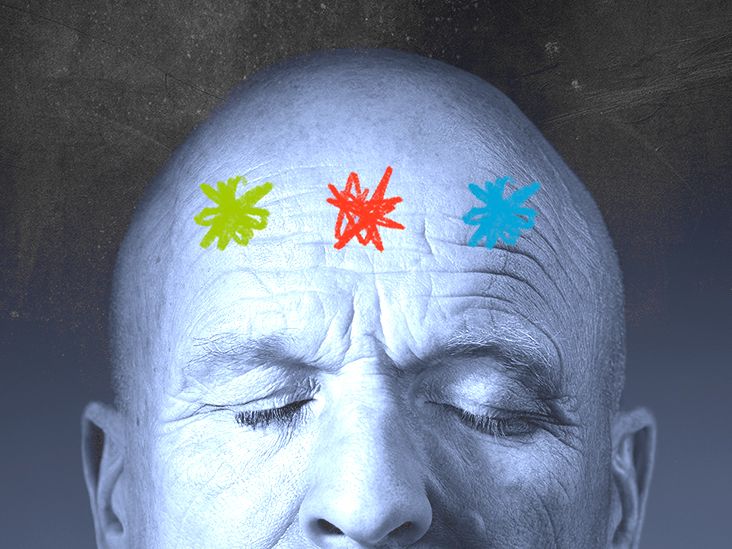
There are more than 150 different types of headaches. Some of the types include migraine, tension-type, caffeine-induced, sinus, and cluster headaches.
Headaches are often divided into two main categories: primary and secondary. A primary headache is not due to another condition. In contrast, a secondary headache has a separate underlying cause.
This article explores eleven of the most common types of headaches, along with their causes, treatment, prevention, and when to speak with a doctor.
Tension-type headaches are the most common type of primary headache. Research states that between
They present as a dull, constant pain on both sides of the head. It may feel as though a band is tightening around the head.
Tension headaches can last from 30 minutes to several days. Potential triggers include:
- dehydration
- stress
- lack of sleep
Treatment
Over-the-counter (OTC) painkillers, such as ibuprofen, acetaminophen, and aspirin, are usually very effective. Individuals experiencing headaches for more than 15 days per month should consult a healthcare professional.
Other interventions that may help include:
- getting enough sleep
- staying hydrated
- stretching
- management of stress
Migraine is a neurological condition that often causes headaches. A migraine headache typically involves intense, throbbing pain on one side of the head, along with other symptoms, such as:
- nausea
- vomiting
- sensitivity to light, sound, or smells
Around
- seeing zig-zagging lines, flickering lights, or spots
- partial loss of vision
- numbness
- tingling
- muscle weakness
- difficulty speaking or finding words
Be aware that aura symptoms could also indicate stroke or meningitis. Anyone experiencing these for the first time should seek immediate medical attention.
Migraine headaches tend to be recurrent, and each episode can last from a
Health experts do not fully understand the exact causes of migraine. However, it often runs in families and is more common in people with certain preexisting conditions, such as depression and epilepsy.
Triggers of migraine could include:
- stress
- anxiety
- sleep disruption
- hormonal changes
- skipping meals
- certain foods or medications
- bright lights and loud noise
Treatment
Treatment will depend on various factors, including the severity of the symptoms, their frequency, and whether the person experiences nausea and vomiting.
Treatment options include:
- non-steroidal anti-inflammatory drugs (NSAIDs), such as:
- ibuprofen
- naproxen
- aspirin
- acetaminophen
- triptans, such as sumatriptan, which require a prescription
- antiemetics, such as metoclopramide, to manage nausea and vomiting
Neurostimulation techniques, such as transcranial magnetic stimulation, may also help.
People with chronic migraine should speak with a healthcare professional about preventive treatment. They may diagnose chronic migraine if a person has an episode on
Other management choices to consider are dietary changes, stress management, and acupuncture.
Cervicogenic headaches occur due to problems in the neck, such as chronic muscle tension, nerve compression, arthritis, or an injury. This inflames and sensitizes the nerves in the neck, causing referred pain in the front of the head.
This type of headache is
However, unlike migraine, cervicogenic headaches are less likely to respond to migraine medications, such as triptans.
Treatment
Treating this type of headache involves addressing the underlying neck problem. Depending on the cause, a doctor
- physical therapy, which can be very effective
- muscle stretching
- pain medication or anti-inflammatory injections
- nerve block injections
- radiofrequency ablation
- surgery, if the other options do not help
Consuming excessive alcohol can lead to a throbbing headache the following day or even later that day. These migraine-like headaches usually occur on both sides of the head and can worsen from movement.
Someone with a hangover headache may also experience nausea and sensitivity to light.
Treatment
There is no cure for a hangover, but it is possible to reduce some symptoms by drinking plenty of water. OTC painkillers may help reduce or stop the headache.
The symptoms of a hangover tend to subside within 72 hours. Some ways of reducing the risk of a hangover include:
- drinking in moderation
- not drinking on an empty stomach
- drinking water between alcoholic beverages and before going to bed
A high caffeine intake can sometimes lead to headaches. In people consuming more than 200 mg of caffeine daily for over 2 weeks, withdrawal may result in migraine-like headaches.
These symptoms typically develop
Other possible symptoms include:
- tiredness
- low mood or irritability
- difficulty concentrating
- nausea
The effects of caffeine vary from person to person, but reducing intake could decrease the risk of getting headaches.
Exertional headaches are due to strenuous physical exercise, with triggers such as:
- running
- jumping
- weightlifting
- sexual intercourse
- bouts of coughing or sneezing
These headaches are usually very short-lived but can sometimes last up to 2 days. They present as throbbing pain throughout the head and are more common in those with a family history of migraine.
Individuals experiencing exertional headaches for the first time should speak with a healthcare professional as they could be a sign of something more serious.
Treatment
Treatment for exertional headaches
- OTC pain medications
- beta-blockers, such as propranolol
- indomethacin
Exertional headaches may sometimes result from cardiovascular issues. If so, a healthcare professional may recommend tests to check a person’s cardiovascular and cerebrovascular health.
Sinus headaches occur with sinusitis — an inflammation of the sinuses. It usually results from an infection or an allergy.
The symptoms consist of a dull, throbbing ache around the eyes, cheeks, and forehead. The pain may change if a person blows their nose. It may sometimes spread to the teeth and jaw.
Other possible symptoms include:
- facial pressure or pain
- reduced sense of smell
- nasal discharge
- a blocked nose
- fever
- fatigue
- ear pain
- bad breath
- cough
- dental pain
- a general feeling of being unwell
Treatment
Sinusitis usually clears on its own in around 4 weeks. Treatment options include:
- rest
- drinking fluids
- OTC pain relief
- nasal decongestants
- salt water nasal sprays or solutions from the pharmacy
- antihistamines
- steroid nasal sprays, available by prescription
- antibiotics, if there is a bacterial infection
People should consult a healthcare professional if symptoms do not improve after 3 weeks or become severe.
Tips for preventing sinusitis include avoiding smoking and other known triggers or allergens.
A medication-overuse headache (MOH) — sometimes known as a rebound headache — is a
MOH headaches generally occur in people who have migraine or tension-type headaches who frequently take pain medications. They happen when a person uses these medications too often or stops taking them.
MOH headaches typically happen first thing in the morning when a person wakes up. The location and pain vary from person to person. They may also experience nausea, irritability, and difficulty concentrating.
Drugs that can cause MOH when they wear off include:
- acetaminophen
- triptans, such as sumatriptan
- NSAIDs, such as aspirin and ibuprofen
- opioids
A doctor may diagnose MOH if a person has a headache disorder and has also taken pain relief medication for at least 15 days in a month.
Treatment
The only treatment for MOH is to stop taking the medication causing the headaches. However, anyone stopping medication should only do so under the supervision of a healthcare professional. They can help devise a plan and may prescribe alternative medications to ease the withdrawal process.
After stopping the drug, a person may experience:
- worsened headaches
- nausea and vomiting
- increased heart rate
- low blood pressure
- sleep disturbance
- restlessness, anxiety, and nervousness
A healthcare professional may prescribe medication, such as antiemetics, to help relieve these symptoms to manage nausea and vomiting. The symptoms usually last for
A healthcare professional will advise on suitable pain relief medication to use after resolving an MOH.
The following steps can help prevent MOH:
- avoiding the use of codeine and opioids
- limiting the use of pain relief medication for headaches
- using preventive medications for a chronic migraine
Cluster headaches are severe and recurrent headaches. They are relatively uncommon, affecting
People with cluster headaches describe an intense burning or piercing pain behind or around one eye. Other symptoms can include:
- watering eyes
- swollen eyelid
- a blocked or a runny nose
- sensitivity to light and sound
- restlessness or agitation
Cluster headaches typically occur suddenly and without warning, lasting between 15 minutes and 3 hours. People can experience up to eight attacks a day.
These attacks tend to occur in daily clusters and can persist for weeks or months. They also tend to start at consistent times, often a couple of hours after falling asleep at night.
Any person experiencing these symptoms should consult a healthcare professional.
Treatment
Treatment aims to reduce the severity and frequency of the attacks. Options
- oxygen therapy
- sumatriptan
- verapamil
- steroids
- melatonin
- lithium
Deep-brain stimulation and vagus nerve stimulation also show promise in treating cluster headaches that do not respond to medication.
Hypnic headache is a rare condition that typically affects adults over 50 years of age. However, it can start sooner. People also refer to them as “alarm clock” headaches, and they wake individuals during the night.
A hypnic headache consists of mild-to-moderate throbbing pain, usually on both sides of the head. It can last up to 3 hours, while other symptoms may include nausea and sensitivity to light and sound.
People can experience several attacks each week. The cause of hypnic headaches is not clear, and there are no known triggers.
Although hypnic headaches are generally harmless, an older adult who experiences any unusual headaches for the first time should consult a doctor.
Treatment
Treatment options for hypnic headaches
- caffeine
- indomethacin
- lithium
Sometimes, a person develops a headache immediately or soon after a head injury. If symptoms are severe or worsen over time, an individual should seek immediate medical attention.
Always call an ambulance for a serious head injury or if the
- unconsciousness
- seizures
- vomiting
- memory loss
- confusion
- vision or hearing problems
Post-traumatic headaches can also develop months after the original head injury, making them difficult to diagnose.
Even a small blow to the head can result in a traumatic brain injury.
Headaches are often due to changes in hormone levels. Migraine may occur around menstruation from changes in estrogen levels.
The symptoms are similar to migraine without aura, but they can last longer. Hormone-related headaches can also result from:
- oral birth control
- menopause
- pregnancy
Treatment
OTC pain medications may help reduce symptoms. Healthcare professionals can also advise on possible preventive measures, such as:
- hormonal therapy
- taking a triptan or NSAID around the time of periods
- alternative oral birth control plans, such as omitting the pill-free break
- hormone therapy for those undergoing menopause
Ice pick headaches, also known as primary stabbing headaches, cause short, sharp “stabs” of pain. There are no other symptoms except for the pain, and typically the headaches last for less than a few minutes each.
Ice pick headaches are not considered serious, but they can impact a person’s quality of life. Additionally, other conditions can cause this type of pain, some of which require urgent medical attention.
Individuals who have never experienced this type of headache before should seek medical attention if they experience severe, sudden pain.
Treatment
Because of the short duration of ice pick headaches, few treatments work quickly enough to reduce the pain. However, doctors may suggest a preventive medication, such as melatonin or indomethacin, which can sometimes help.
Thunderclap headaches are sudden and extremely painful headaches that reach their peak within 1 minute. People often describe them as the worst pain they have ever experienced, and sometimes, they indicate a serious underlying problem.
Sometimes people only experience pain, but others may have:
- a fever
- vision loss
- changes in speech or thinking
- confusion
- weakness
People who may have experienced a thunderclap headache should seek immediate medical care.
Treatment
Treatment for thunderclap headaches depends on the underlying cause, which could involve:
- a bleed or aneurysm
- a blood vessel tear or blockage
- inflammation of blood vessels
- reversible cerebral vasoconstriction syndrome, which causes temporary narrowing of blood vessels in the brain
Headaches are a common issue, but most people can manage them with OTC pain relief, such as acetaminophen.
However, anyone who experiences severe, persistent, recurrent, or worsening headaches should consult a healthcare professional. An individual should seek immediate medical assistance
- that starts suddenly and is extremely painful
- following a significant blow to the head
- with confusion or disturbed vision, balance, or speech
- with numbness or weakness
- with fever, seizures, or unconsciousness
- with a stiff neck or rash
- with persistent vomiting
A parent or caregiver should speak with a healthcare professional as soon as possible if a child has recurring headaches.
Headaches can affect many people. Often, taking OTC pain relief, such as NSAIDs, will resolve them. However, in some cases, headaches may indicate a medical issue.
Cluster, migraine, and medication-overuse headaches are among the types of headaches that may benefit from medical help and possibly prescription medication.
Anyone with concerns about persistent headaches should seek medical advice, as they can sometimes indicate an underlying disorder.
Headache and migraine resources
To discover more evidence-based information and resources for headaches and migraine, visit our dedicated hub.
Read this article in Spanish.

Team Health Accessible
Health & Wellness Editorial Team
HealthAccessible editorial team delivers trusted, accessible, and evidence-based health information for everyone.