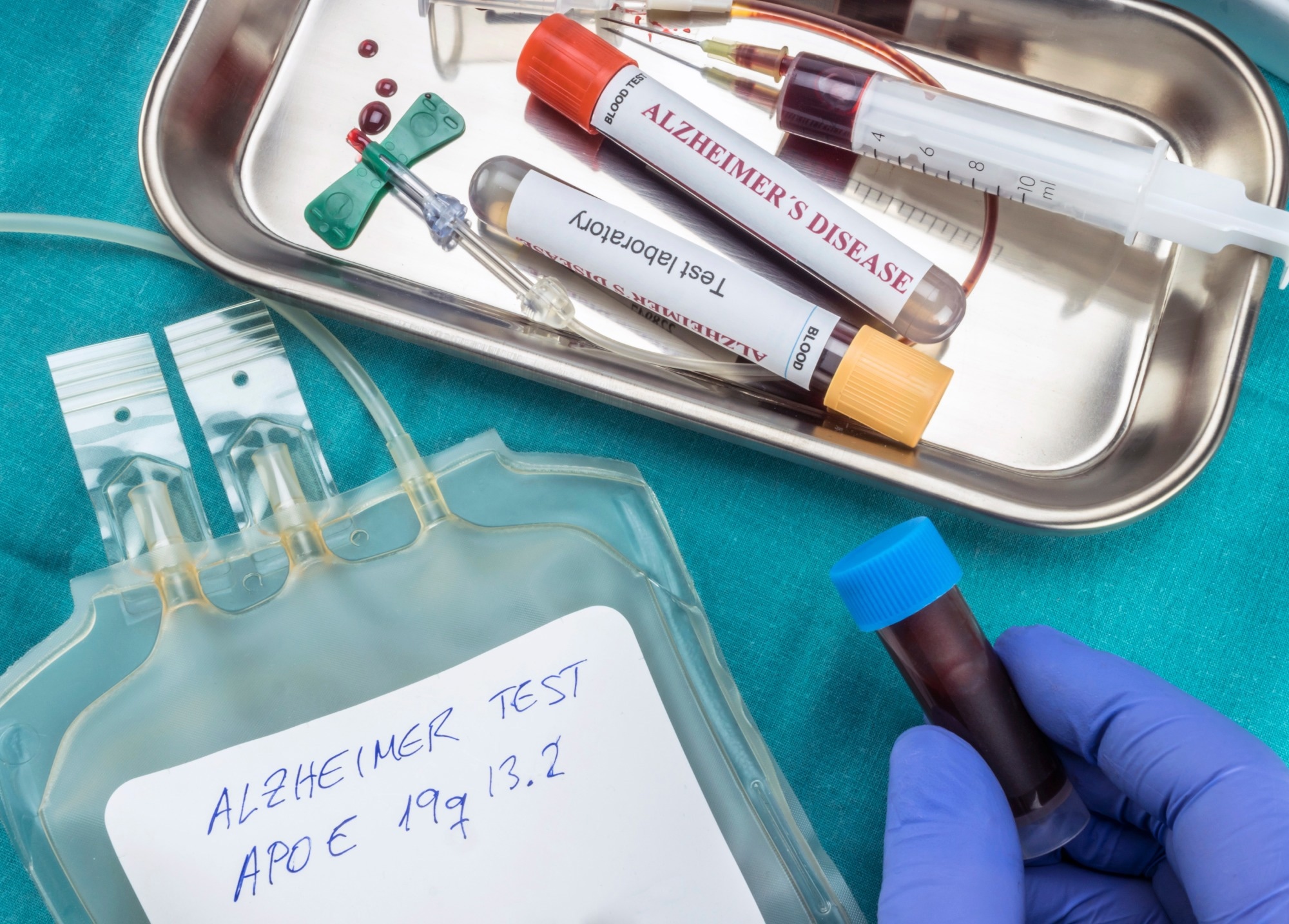

- A new study suggests that testing menstrual blood for human papillomavirus (HPV) could offer a viable alternative to clinician-collected cervical samples.
- Findings suggest accuracy is similar between menstrual blood samples and standard cervical samples for detecting high-grade precancerous lesions.
- Self-collection during menstruation could lower barriers to cervical cancer screening by offering a noninvasive, more convenient option.
- The approach may help increase screening uptake, particularly among people who face access, comfort, or privacy challenges with traditional screening methods.
HPV is a common and usually asymptomatic infection that can affect both males and females. While most infections typically clear on their own, certain high-risk strains can cause cervical cancer.
Evidence highlights that cervical cancer is the fourth most common cancer in women. Thus, cervical cancer screening forms an
For those aged 30 to 65, health experts recommend cervical cancer screening using an HPV test every 5 years. This test involves examining a sample of cervical cells for HPV strains that can cause cell changes on the cervix.
However, many barriers exist for cervical screening, and these factors can contribute to decisions to decline attendance. These can include pain and discomfort, embarrassment, previous negative experiences, trauma, or the unavailability of female practitioners.
A new study, published in
Menstrual blood testing may thus offer a noninvasive, convenient alternative to traditional screening, with diagnostic performance that closely mirrors current methods.

Team Health Accessible
Health & Wellness Editorial Team
HealthAccessible editorial team delivers trusted, accessible, and evidence-based health information for everyone.