
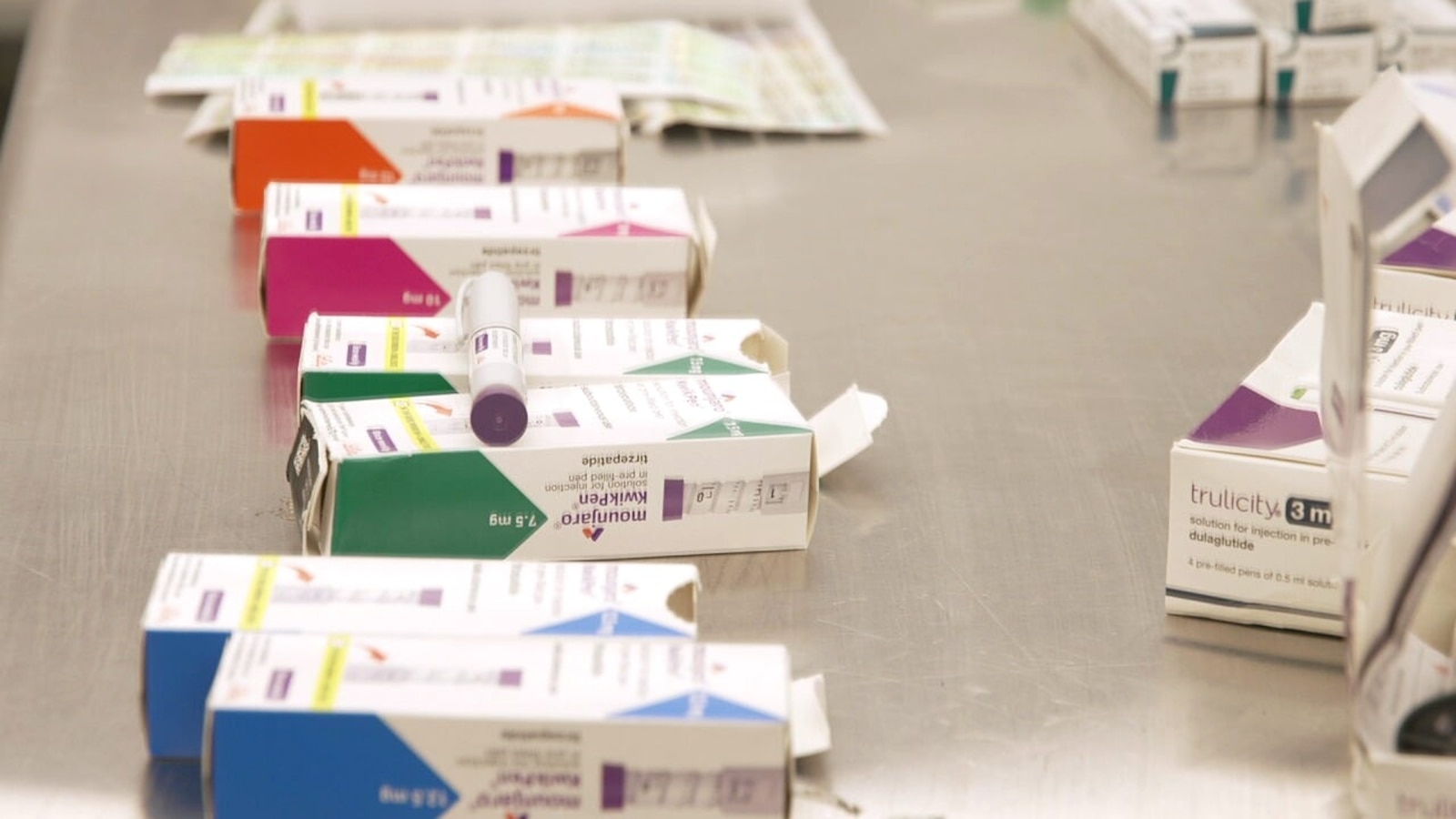
The growing popularity of prescription weight loss medications has triggered a sharp rise in counterfeit products being sold online, prompting renewed warnings from U.S. health and law enforcement officials. The U.S. Food and Drug Administration (FDA) has cautioned consumers about unapproved and potentially dangerous imitation versions of widely used GLP-1 drugs.
Nicole Johnson, a special agent with Homeland Security Investigations, told ABC’s Nightline that counterfeit weight loss drugs have become increasingly common. Speaking with anchor Juju Chang, Johnson said demand has reached a level where some consumers are willing to take extreme risks to obtain these medications, often without realizing the potential consequences to their health.
Illicit online sellers have capitalized on the shortage and high demand for these drugs. Simple online searches can lead buyers to unauthorized vendors, including sellers operating on the dark web, marketing deceptively labeled products such as “Fauxzempic” and other imitation weight loss injections.
Eric Feinberg, vice president of content moderation at the Coalition for a Safer Web, explained that there are clear red flags consumers should watch for when evaluating online sellers. One of the most obvious warning signs, he said, is any listing that claims a prescription is not required.
Legitimate FDA-approved medications—including Ozempic, Wegovy, Mounjaro, and Zepbound—are tightly regulated, requiring prescriptions, manufacturing inspections, and extensive safety and effectiveness testing. Feinberg stressed that prescription medications cannot be legally sold without proper authorization. He advised consumers to be wary of sellers who accept unconventional payment methods such as cryptocurrency, Zelle, or PayPal, noting that such practices strongly suggest the products are not authentic.
According to Feinberg, many counterfeit and unapproved drugs originate overseas. When these products enter the United States, they often pass through major ports, where suspicious shipments are flagged and seized by authorities.
Eric Zizelman, port director for U.S. Customs and Border Protection at the Port of Cincinnati, told ABC News that some seized GLP-1 products were labeled entirely in Spanish. He noted that this is a clear indicator the drugs were not approved for sale in the U.S., where packaging must be in English.
Zizelman described drugs manufactured for foreign markets and later sold domestically as “gray market” products. While these drugs may be approved for use in other countries, they are not authorized for sale in the United States and are subject to seizure—along with counterfeit products—by customs officials.
Investigative health reporter Katherine Eban, a special correspondent for Vanity Fair, warned that once medications are diverted from legitimate supply chains, their safety cannot be guaranteed. She emphasized that consumers have no way of verifying the quality, storage conditions, or contents of these drugs once they enter illicit markets.
Officials warn that counterfeit weight loss medications pose serious health risks and undermine established pharmaceutical safety standards. As demand for GLP-1 drugs continues to surge, authorities are urging consumers to remain cautious, verify sources, and obtain medications only through licensed healthcare providers and pharmacies.

Team Health Accessible
Health & Wellness Editorial Team
HealthAccessible editorial team delivers trusted, accessible, and evidence-based health information for everyone.