
- A new study suggests that artificial intelligence (AI) can analyze abdominal CT scans and identify adults at higher risk of falling as early as middle age.
- Researchers indicate that abdominal muscle quality, or muscle density, is a stronger predictor of fall risk than muscle size.
- These associations were notable not just in older adults but also in people aged 45 and older, indicating fall risk markers may appear earlier than expected.
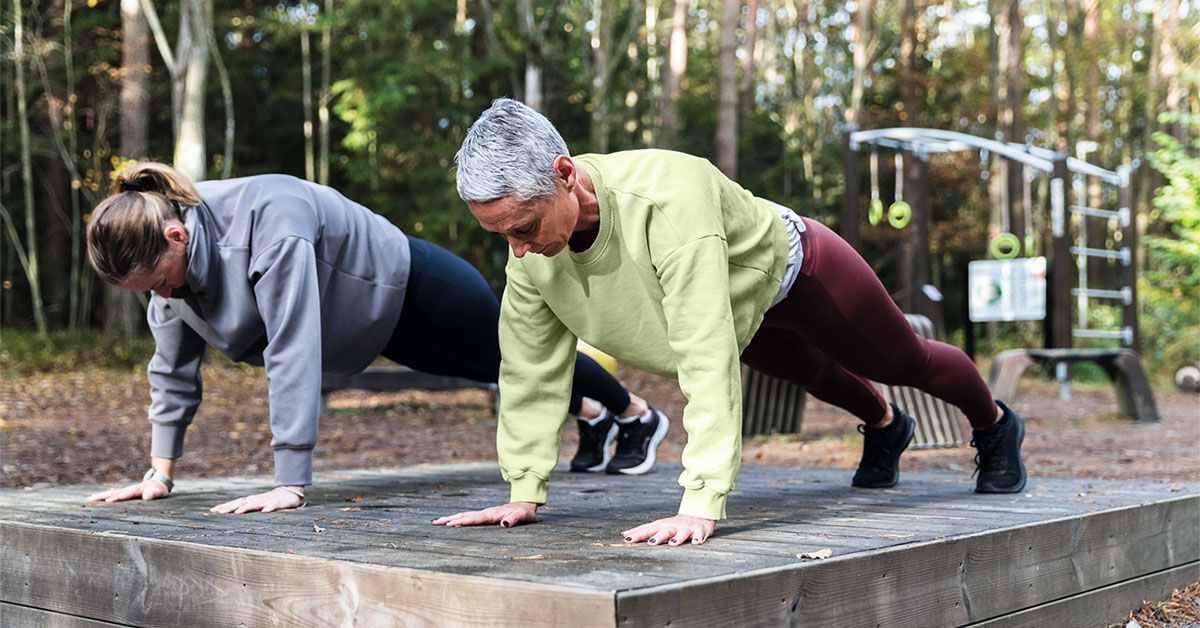
- The findings emphasize the importance of maintaining good core strength throughout adulthood to potentially reduce future fall risk.
As people age, the risk of falls increases, primarily due to a combination of factors such as declines in balance and strength.
According to the Centers for Disease Control and Prevention (CDC), falls are the leading cause of injury for adults ages 65 and older, affecting roughly
The CDC also estimate that each year, there are roughly
Many strategies are available to help older adults prevent potential accidents from falls. These can include
A recent study, published in Mayo Clinic Proceedings: Digital Health, highlights the importance of core muscle quality, particularly muscle density, as a key indicator of later fall risk.
The findings propose that applying AI to routine abdominal computed tomography (CT) scans could help identify individuals at higher risk of serious falls long before they occur.

Team Health Accessible
Health & Wellness Editorial Team
HealthAccessible editorial team delivers trusted, accessible, and evidence-based health information for everyone.