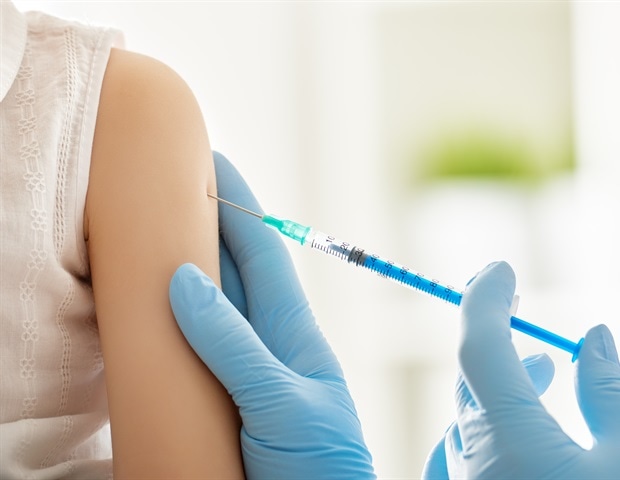
- In 2017, the Food and Drug Administration (FDA) approved the use of the recombinant zoster vaccine Shingrix for shingles to eventually replace the live-virus vaccine Zostavax.
- Over the last few years, researchers have found Shingrix may help in other areas of a person’s health, including lower cardiovascular disease risk.
- A new study found people who receive Shingrix have a 9% reduction in cardiovascular burden during the 7 years after receiving the vaccine.
In 2017, the Food and Drug Administration (FDA) approved the use of a new shingles vaccine called a recombinant zoster vaccine (brand name Shingrix) to eventually replace the use of the live-virus shingles vaccine Zostavax.
The Centers for Disease Commission and Control (CDC)
Over the last few years, researchers have examined how Shingrix may help in other areas of health. Past studies show evidence that the recombinant zoster vaccine may also lower a person’s risk for dementia and cardiovascular disease.
Now, a new study published in the journal
Scientists found that people who receive Shingrix have a 9% reduction in cardiovascular burden during the 7 years after receiving the vaccine.

Team Health Accessible
Health & Wellness Editorial Team
HealthAccessible editorial team delivers trusted, accessible, and evidence-based health information for everyone.