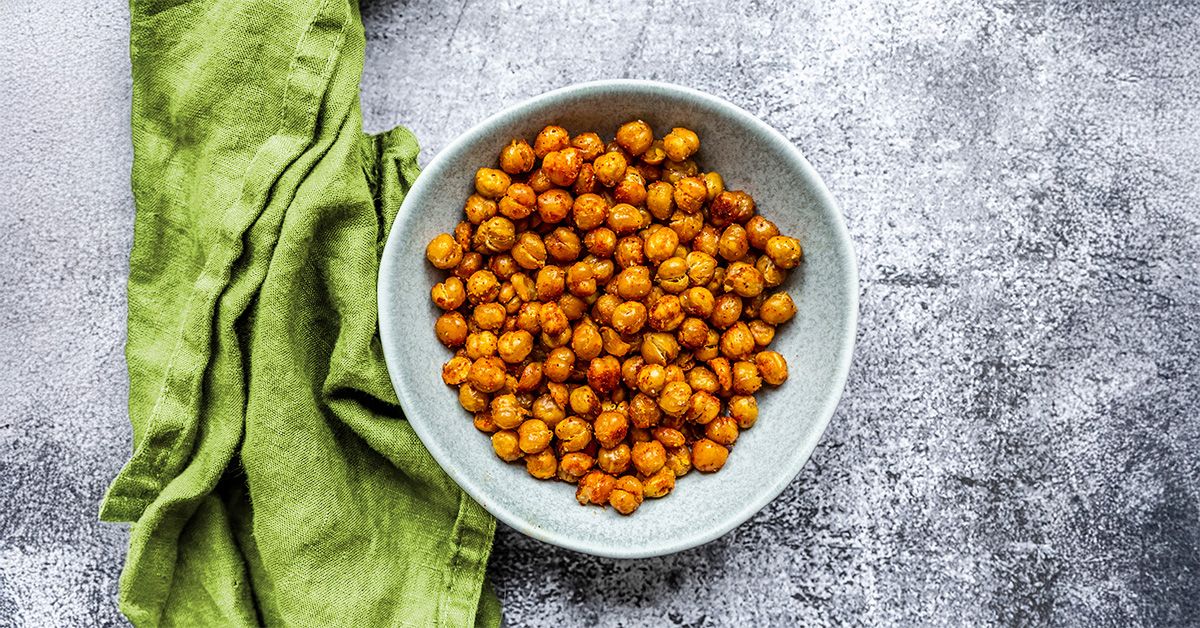
- Research suggests that phytic acid, a natural compound present in plant-based foods such as beans, lentils, nuts, seeds, and whole grains, plays a critical role in maintaining the integrity of the intestinal barrier.
- The preclinical mouse study suggests that phytic acid activates a protein that helps regulate genes involved in protecting the gut lining and prevents ‘leaky gut.’
- When this protein activity is impaired, the intestinal barrier becomes more susceptible to damage and inflammation, suggesting this pathway is essential for gut health.
- The findings identify a potential therapeutic target for conditions affecting the intestinal barrier, such as inflammatory bowel disease. However, further research is still necessary.
The intestinal lining acts as a barrier between the gut contents and the rest of the body. Typically, this barrier selectively allows nutrients to pass into the bloodstream while preventing potentially harmful substances, such as bacteria and toxins, from escaping the intestine.
When this barrier becomes compromised, harmful molecules can enter the bloodstream, potentially triggering immune responses and inflammation.
This process, often described informally as leaky gut syndrome, is associated with various digestive disorders, such as Celiac disease, inflammatory bowel disease (IBD), and irritable bowel syndrome (IBS).
Although the importance of maintaining intestinal barrier integrity has long been recognized, the exact mechanisms involved have remained incompletely understood.
Now, research suggests that a naturally occurring compound found in many plant-based foods could play an important role in maintaining the gut’s protective barrier.
The research, published in

Team Health Accessible
Health & Wellness Editorial Team
HealthAccessible editorial team delivers trusted, accessible, and evidence-based health information for everyone.