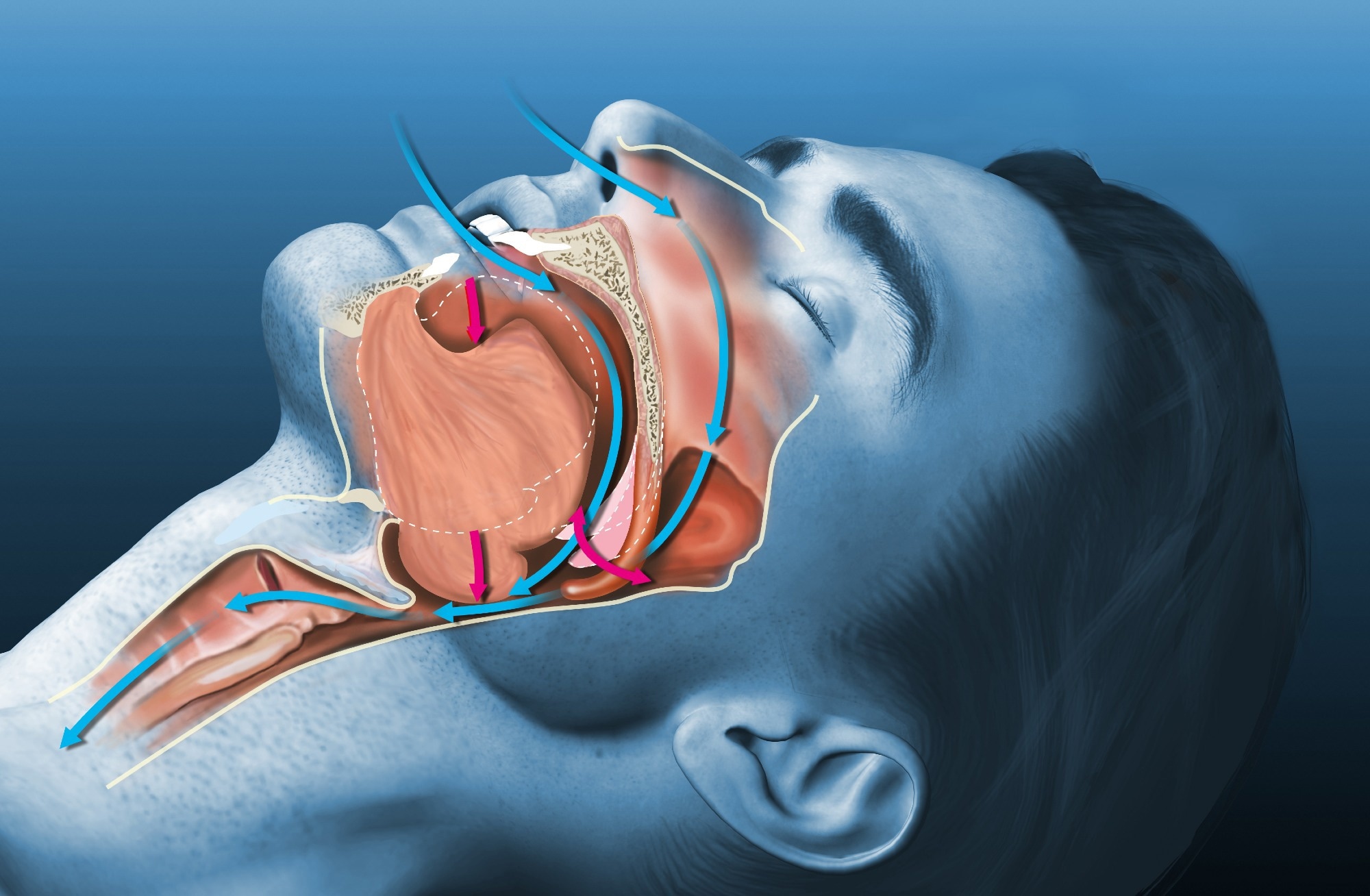

- Chronic stress, depression, cardiovascular disease, fragmented sleep, and aging are all associated with a higher risk of dementia, but scientists have not yet discovered exactly why.
- Now, a review outlines that all these factors may link to disruption of a sleep-dependent brain rhythm that helps clear ‘waste’ from the brain.
- The author suggests that sleep coordinates brain chemistry, blood vessel movement, and cerebrospinal fluid flow to support the brain’s nightly cleaning processes.
- Heart rate variability, which is closely linked to the rhythmic cleaning processes, shows promise as a non-invasive way to identify those at increased risk of cognitive decline.
A new review now argues that sleep is not just a time for the brain and body to rest and recover, but that during sleep the brain’s housekeeping services kick into action to clear waste products that, over time, can lead to cognitive decline and dementia.
In a review published in Science, neuroscientist Maiken Nedergaard, MD, DMSc, from the University of Rochester Medical Center, NY, suggests that, sleep-related mechanisms play a complex role in the maintenance of brain health.
Steven Allder, MD, consultant neurologist at Re:Cognition Health, not involved in the review, told Medical News Today that:
“What makes this review compelling is the link between sleep and this clearance process. During deep, slow-wave sleep, glymphatic activity increases significantly, allowing more efficient removal of waste. This provides a biological mechanism that helps explain why chronic sleep disruption is associated with increased risk of cognitive decline and dementia. It is important to emphasize that this is not a simple cause-and-effect relationship, but rather a key pathway in a broader network of brain health factors, including vascular function, inflammation and aging.”

Team Health Accessible
Health & Wellness Editorial Team
HealthAccessible editorial team delivers trusted, accessible, and evidence-based health information for everyone.