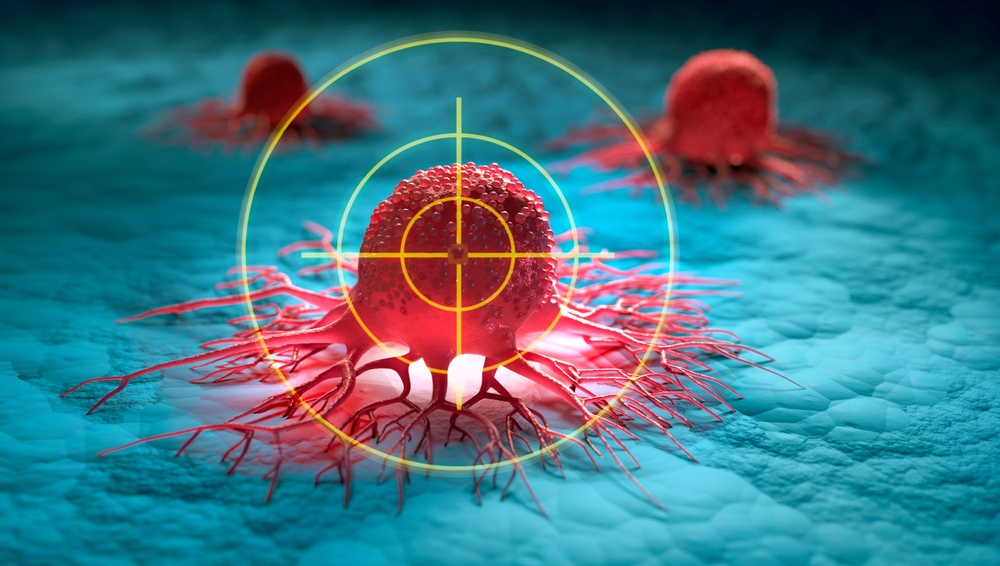

New cancer treatment and better ways to manage arthritis are among 30 new health research projects funded by UK Research and Innovation (UKRI).
Professor Alison Park, UKRI cross-disciplinary working champion and Deputy Executive Chair of the Economic and Social Research Council, said: “Many of our most pressing problems can only be addressed by researchers working across different disciplines – clinicians working with engineers and technologists, for example.
“Through interdisciplinary research like this, we can develop ground-breaking health treatments more quickly and effectively than research that occurs only within the boundaries of a single discipline.”
Bringing together various expertise from scientific sectors
All the projects are interdisciplinary, spanning multiple research disciplines.
This ensures new approaches and methods are developed that would not be possible from established, single-discipline thinking.
They are also applicant-led, meaning that the research ideas come directly from the research community, identifying a problem to solve.
Health-related projects span cancer treatment to musculoskeletal conditions
‘Snailbots’ for advanced bowel cancer treatment
Tiny robots, inspired by the movement of snails, could help deliver drugs more precisely to bowel cancer tumours.
This could both treat the tumour more effectively and reduce the amount of chemotherapy drugs affecting otherwise healthy tissues.
The research project, led by scientists in Manchester, is developing the ‘snailbots’ with support from a UKRI investment.
Tackling pancreatic cancer through engineered bacteria and ultrasound
Survival rates for most cancers have doubled since 1980, but some pancreatic cancers still have almost no successful therapies.
A new approach uses engineered bacteria to modify the environment around the patient’s tumour, helping their own immune system to fight it.
The harmless bacteria will be encapsulated in a gel and injected near the cancer site.
Ultrasound will then stimulate the bacteria to release compounds designed to modify the cells around the tumour.
This project brings together materials chemistry, synthetic biology, engineering physics, and experimental medicine to create an entirely new technology for treating pancreatic cancers.
It helps clinicians to monitor therapies non-invasively and may reduce the need for toxic anti-cancer drugs, lowering side-effects which can be so debilitating to patients.
Better evaluation and treatment for musculoskeletal conditions
Musculoskeletal disorders, like back pain and arthritis, affect more than 20 million people in the UK.
Motion tracking plays a vital role in clinical practice for effective treatment strategies, but traditional motion tracking requires controlled laboratory environments that don’t accurately reflect an individual’s movements at home or at work.
This project will combine virtual reality and motion tracking to recreate everyday activities, such as walking in a park or office, within a hospital laboratory.
It will also use eye-tracking technology and measure heart rate, breathing, and other body signals during these activities to better understand a person’s physical and mental health conditions.
This helps doctors, physiotherapists and others to develop a more realistic understanding of a patient’s physical and mental state during clinical assessment and rehabilitation, leading to better outcomes.
“Many of the projects whose funding we’ve announced could transform millions of lives for the better,” Park concluded.

Team Health Accessible
Health & Wellness Editorial Team
HealthAccessible editorial team delivers trusted, accessible, and evidence-based health information for everyone.