
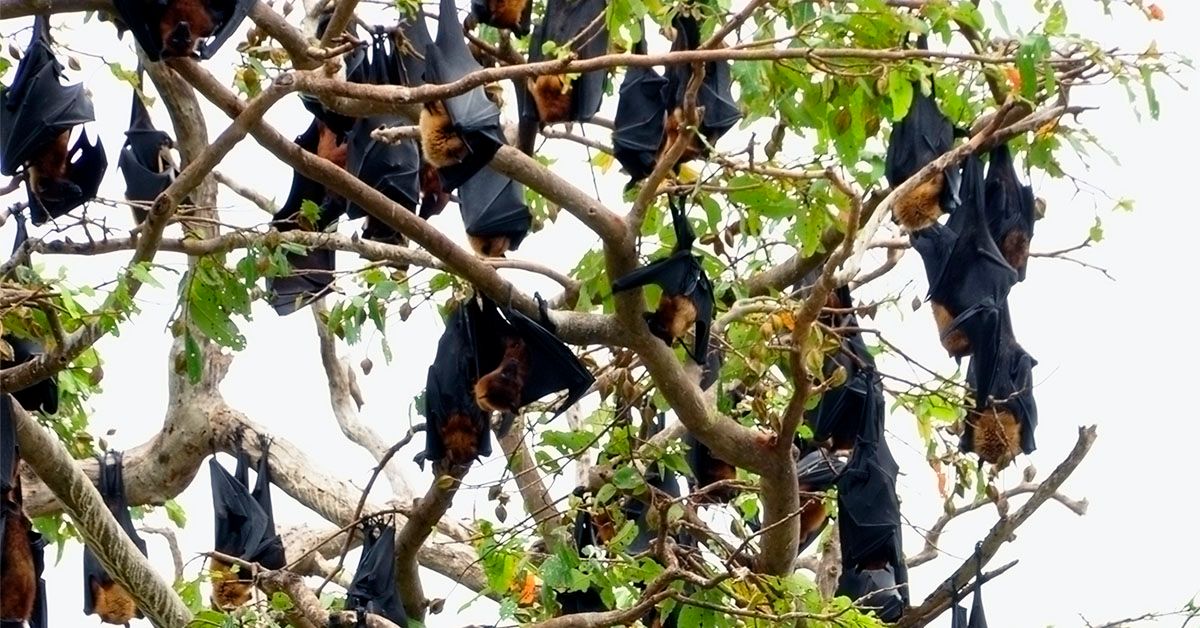
- Two new cases of the often deadly zoonotic Nipah virus have been reported in West Bengal, India.
- A 1998 outbreak of the virus claimed the lives of over 100 people.
- The virus’ unusual modes of transmission make it an unlikely candidate for a worldwide pandemic.
- The virus is carried by fruit bats, or “flying foxes,” that infect a popular delicacy as well as other mammals with whom humans work in the Asia-Pacific region.
In January 2026, India reported
This often deadly zoonotic virus has a fatality rate of between 40% and 75%, raising concerns even when such a small number of cases are reported.
“If you get the Nipah virus, it is bad,” explained William Schaffner, MD, Professor in the Division of Infectious Diseases at Vanderbilt University in Nashville, Tennessee. “It can cause encephalitis with a high mortality rate, and even if you recover, you are likely to have long-term disability.”
Fruit bats from the Pteropodidae family, also known as ‘flying foxes’, are considered the
Transmission of the virus can occur after consuming fruits or fruit products, such as raw date palm juice, contaminated by infected fruit bats. The Nipah virus can also transmit between people through close contact.
At present, the

Team Health Accessible
Health & Wellness Editorial Team
HealthAccessible editorial team delivers trusted, accessible, and evidence-based health information for everyone.