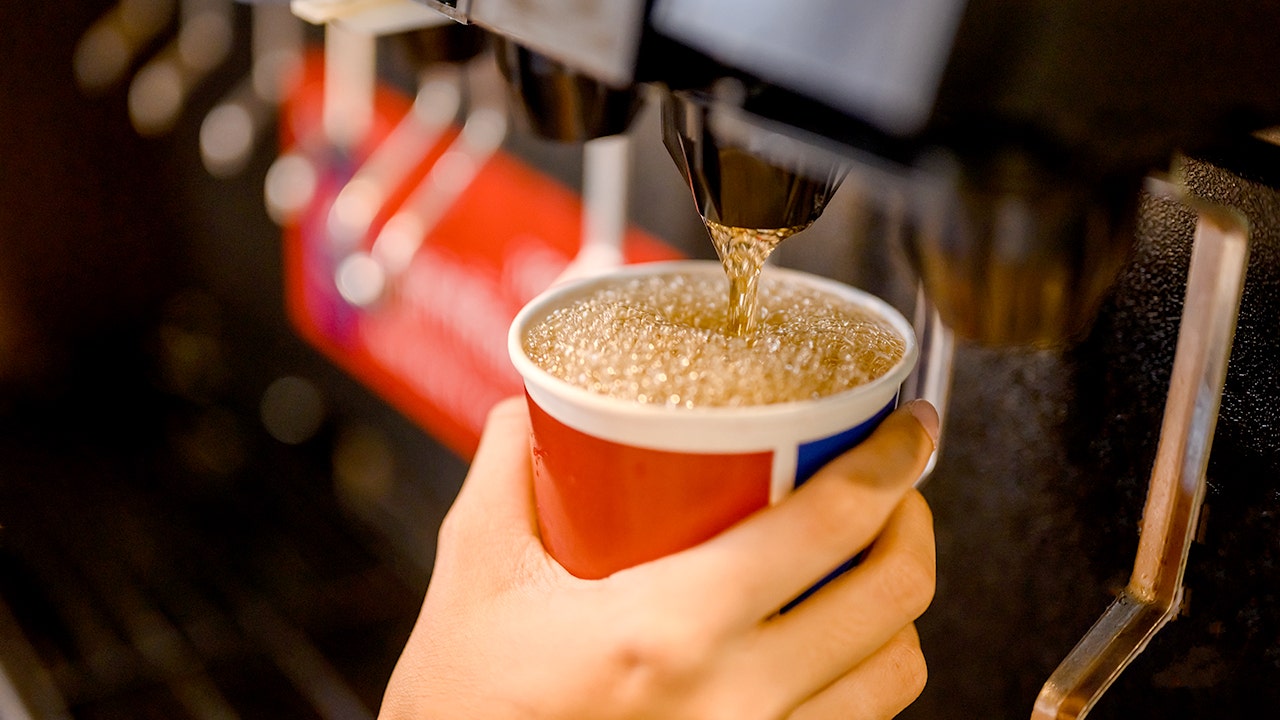
New research is challenging the perception that diet drinks are a healthier alternative to sugary beverages. A large study drawing on data from the UK Biobank indicates that both sugar-sweetened and zero-sugar drinks may be linked to an increased risk of liver disease.
The findings were presented this week at United European Gastroenterology Week in Berlin, where researchers highlighted growing concerns about how beverage choices affect long-term liver health.
The study followed more than 120,000 adults who showed no signs of liver disease at the outset. Over a period of ten years, researchers monitored participants’ consumption of various beverages while regularly evaluating indicators of liver function. The results revealed elevated risks associated with frequent intake of both sugary and artificially sweetened drinks.
Participants who consumed large quantities of sugar-sweetened beverages—such as regular sodas, sweetened teas, and energy drinks—were found to have roughly a 50% greater risk of developing metabolic dysfunction-associated steatotic liver disease (MASLD), a form of fatty liver disease unrelated to alcohol use.
Even more striking, individuals who regularly drank low- or no-sugar beverages, including many diet sodas, faced an estimated 60% higher risk of developing the same condition.
Lihe Liu, the study’s lead author and a graduate researcher at the Department of Gastroenterology at the First Affiliated Hospital of Soochow University in Suzhou, China, noted that sugar-sweetened drinks have long been viewed as harmful, while diet versions are often perceived as a safer option. However, the data suggest that this assumption may not hold true.
The research also found that frequent consumers of artificially sweetened beverages had a higher likelihood of dying from liver-related causes. According to Liu, even relatively low consumption—such as one can per day—was associated with an increased risk of MASLD.
These findings raise questions about the belief that zero-sugar drinks pose little to no health risk. Researchers propose several possible explanations, including disruptions to gut microbiota, increased cravings for sweet foods, and interference with the brain’s hunger-regulation mechanisms.
Previous studies have also suggested that artificial sweeteners may trigger insulin responses similar to those caused by sugar. Liu emphasized that reducing intake of both sugary and diet beverages could benefit liver health, adding that replacing either with water may lower liver disease risk by up to 15%. Switching between regular and diet sodas, however, showed no meaningful reduction in risk.
“Water remains the healthiest option,” Liu explained, noting that it avoids metabolic stress while supporting hydration and reducing fat buildup in the liver.
Liver disease continues to rise globally and currently affects an estimated 4.5 million adults in the United States, according to the Centers for Disease Control and Prevention (CDC).
Despite the significance of the findings, researchers cautioned that the study has not yet undergone peer review. Limitations include reliance on self-reported beverage intake and the observational nature of the research, which means it can identify associations but cannot establish direct cause-and-effect relationships.

Team Health Accessible
Health & Wellness Editorial Team
HealthAccessible editorial team delivers trusted, accessible, and evidence-based health information for everyone.