Chemotherapy for breast cancer can help slow the growth of cancer, shrink a tumor, and increase the chance of curing the condition.
Whether or not a doctor recommends chemotherapy
Doctors may also consider a person’s age, overall health, other medical issues, and personal preferences.
According to the American Cancer Society, the overall breast cancer survival rate after 5 years is
In this article, learn more about chemotherapy for breast cancer, including how it works, what drugs a person might receive, its effectiveness, and more.
Chemotherapy refers to a class of medications that kill cancer cells. However, chemotherapy can also kill healthy cells, which means that it
For this reason, doctors must balance the risks and benefits of chemotherapy. They may need to spread out chemotherapy treatments or address other health concerns before initiating chemotherapy.
The specific outlook after receiving chemotherapy depends on:
- the type of cancer a person has
- whether or not the cancer has spread
- the person’s age and general health
- how well the treatment works
Side effects
People should discuss with a doctor the possible side effects of the type of chemotherapy they are receiving.
There are a couple of different ways to classify chemotherapy.
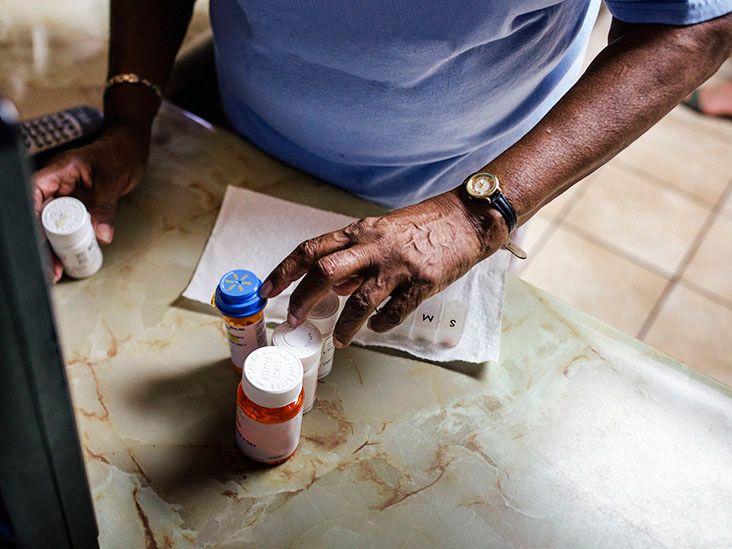
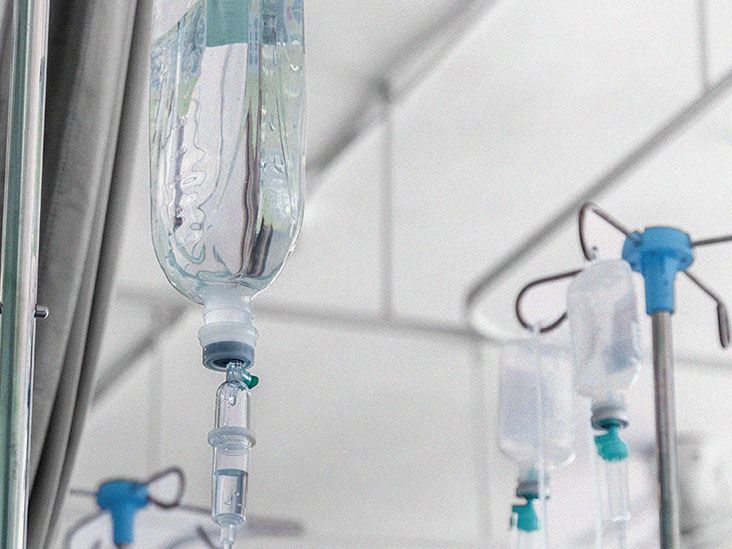
Chemotherapy drugs come in several different forms, including intravenous drips that a person receives at a hospital and medications that they can take by mouth.
Doctors also usually classify chemotherapy according to the timing of treatment and the treatment goals:
- Adjuvant therapy: Adjuvant therapy refers to chemotherapy treatment after surgery to remove any remaining cancer cells and reduce the likelihood of the cancer regrowing.
- Neoadjuvant therapy: Neoadjuvant refers to treatment with chemotherapy before surgery to shrink the tumor and increase the odds of surgical success.
- Therapy for metastatic cancer: When cancer metastasizes, or spreads, outside of the breast tissue, doctors may recommend chemotherapy as the
main treatment .
Some people may need just one type of chemotherapy, while others will need multiple types.
There are
People undergoing adjuvant or neoadjuvant therapy
- taxanes, such as paclitaxel and docetaxel
- cyclophosphamide
- carboplatin
- anthracyclines, such as epirubicin and doxorubicin
- 5-fluorouracil or capecitabine
When cancer spreads throughout the body, a doctor might recommend one of the following:
- platinum agents, such as cisplatin and carboplatin
- taxanes, such as paclitaxel (Taxol), docetaxel (Taxotere), and albumin-bound paclitaxel (Abraxane)
- anthracyclines, such as Doxorubicin, pegylated liposomal doxorubicin, and epirubicin
- vinorelbine (Navelbine)
- capecitabine (Xeloda)
- gemcitabine (Gemzar)
- ixabepilone (Ixempra)
- eribulin (Halaven)
In most cases of adjuvant and neoadjuvant chemotherapy, a person will need chemotherapy for
Depending on the biology and specific biomarkers of the breast cancer, the doctor may combine the chemotherapy with immunotherapy. For example, doctors may use pembrolizumab in combination with chemotherapy for some patients with triple-negative breast cancer.
Chemotherapy can cause a wide range of side effects. Side effects vary from person to person and drug to drug. Some of the more common ones include:
- hair loss
- gastrointestinal problems, such as nausea, diarrhea, or constipation
- fatigue
- a weaker immune system, which may increase the risk of getting infections
- mouth sores
- neurological changes, such as difficulty concentrating
- mood changes, such as anxiety or depression
Occasionally, chemotherapy side effects may be long term — especially when there is serious damage to the organs. Some people also experience fertility issues after chemotherapy.
The effectiveness of chemotherapy may depend on several factors, including the type of cancer a person has, how early a doctor catches it, and which treatment regimen the person and their treatment team select.
In
Metastatic cancers are more common with triple-negative breast cancer, which, in some cases, is linked to mutations in the BRCA1/2 gene.
Not everyone needs chemotherapy. One 2018 study found that certain people with breast cancer may do as well with a type of treatment called endocrine therapy alone as with chemotherapy plus endocrine therapy.
One
The results of these studies do not mean that people with breast cancer should avoid chemotherapy. Rather, the need for chemotherapy depends on the type of cancer a person has, their age, their overall health, and the treatment goals.
People should discuss their specific situation, options, and needs with a doctor.
The outlook with chemotherapy depends on several different factors, and there is no single survival rate that applies to all cancers.
In general, cancer that has not spread beyond the breasts is easier to treat.
Cancer that has not spread at all has a
Treatment, including chemotherapy,
Receiving a diagnosis of breast cancer can be scary. However, treatment has
Most forms of breast cancer tend to be treatable. A person should talk with a doctor about all the treatment options, and they should consider getting a second opinion for a full overview of their options.

Team Health Accessible
Health & Wellness Editorial Team
HealthAccessible editorial team delivers trusted, accessible, and evidence-based health information for everyone.